The United States is in the throes of a housing crisis. Demand for affordable housing continues to outpace supply, particularly in New England, where historic neighborhoods meet skyrocketing costs of living. Families struggle to find suitable homes, young professionals are priced out of their communities, and older adults often face limited housing options as they age. For many, the dream of homeownership or even stable rental housing feels increasingly out of reach.
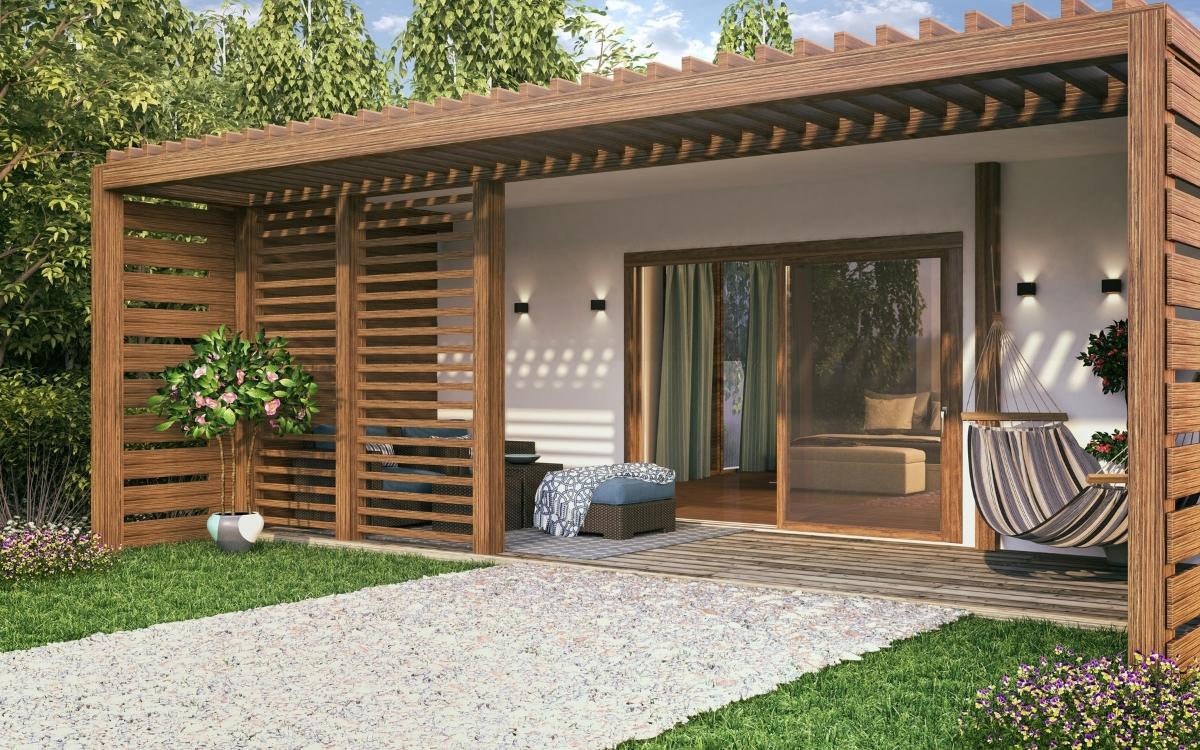
In this landscape, Accessory Dwelling Units (ADUs) have emerged as one of the most promising solutions. ADUs/secondary housing units built on existing properties, such as in-law apartments, garage conversions, or backyard cottages offer a flexible, community-centered approach to expanding housing availability. They not only help meet the growing demand for affordable living but also foster stronger, intergenerational neighborhoods that are better equipped to weather the challenges of today’s housing economy.
ADUs: Small homes, big impact
What makes ADUs so compelling is their ability to address multiple housing challenges at once. They are designed to maximize the use of existing residential land, often blending seamlessly into neighborhoods without changing their character. By leveraging property that is already zoned and serviced, ADUs avoid the time-consuming infrastructure hurdles that often slow down larger developments.
Cities and states across the U.S. are beginning to embrace this approach. In states like New Hampshire, legislation has paved the way for more ADUs to be built by streamlining permitting. In cities like Dover, NH municipalities are updating zoning laws to encourage ADU construction, recognizing that these compact homes can be added more quickly and affordably than large apartment complexes or sprawling subdivisions.
For homeowners, the benefits are tangible. Renting out an ADU can create a new income stream, helping families cover rising mortgage payments, offset property taxes, or save for future expenses. For renters, ADUs represent a more affordable housing option in areas where rental prices are otherwise climbing beyond reach. This is particularly important for essential workers such as teachers, healthcare providers, and first responders who often struggle to live in the same communities they serve.
Equally important, ADUs play a vital role in building stronger communities. They can serve as living spaces for aging parents, allowing families to provide care while respecting independence. They can house adult children returning from college or starting their careers, offering them a foothold in competitive housing markets. They can even provide space for caregivers, ensuring that support is close at hand. These uses strengthen the bonds between generations and neighbors, reinforcing the sense of community that is so integral.
The cost challenge
Yet, as practical and impactful as ADUs are, one challenge continues to stand in the way…
Financing. Depending on design and location, building an ADU can cost anywhere from $50,000 to $500,000. While some homeowners have the savings or equity to invest in such a project, many do not. Traditional financing options often fall short—home equity loans are limited by current equity levels, and personal loans offer shorter terms and lower loan limits.
Without creative financing solutions, ADUs risk remaining out of reach for many of the very families who would benefit from them the most. That’s where forward-looking financial institutions must step in.
A beacon of innovation
At Lighthouse Credit Union, we believe that financial institutions can and should play a role in addressing the housing crisis. That’s why we developed the ADU Home Renovation Loan—a unique product designed to make financing accessible to more homeowners, including those who may not yet have built up significant equity.
Unlike traditional loans, the ADU Home Renovation Loan is based on the after-renovation value of the home. This means that recent buyers, who may not have decades of equity built up, can still consider adding an ADU. Just as importantly, this approach allows homeowners to secure funding without refinancing their entire mortgage—preserving their existing interest rates and monthly payments at a time when refinancing may not be attractive.
Compared to personal loans, the ADU Home Renovation Loan is typically more cost-effective, with repayment options structured to fit within a homeowner’s budget. By removing some of the financial barriers to ADU construction, home owners may consider unlocking the potential of their properties, creating housing solutions that benefit them personally and strengthen their communities.
A dual impact: Good for you, good for all
ADUs embody the kind of dual impact that we at Lighthouse Credit Union believe is possible when financial services are designed with purpose. They are good for individual homeowners, who gain flexibility, financial resilience, and the ability to care for loved ones. They are good for renters, who gain access to affordable housing options in communities where they might otherwise be priced out. And they are good for communities, which thrive when residents of all ages, backgrounds, and income levels can find stable housing.
Housing is one of the most critical issues Americans are facing, and credit unions have an opportunity—and a responsibility—to help light the path forward.
Illuminating the path ahead
The housing crisis will not be solved overnight, nor will a single solution be sufficient. But ADUs represent one of the most practical, scalable, and community-centered strategies available today. By enabling homeowners to add small, flexible units to their properties, cities and towns can expand housing options, support business with workforce housing, and create new income opportunities, all while maintaining the character and fabric of our neighborhoods.
At Lighthouse Credit Union, we are proud to support this movement. By championing solutions like the ADU Home Renovation Loan, we hope to demonstrate that financial institutions can be more than providers of transactions—we can be partners in transformation.
To learn more about starting an ADU program at your credit union, or if you are looking for a trusted partner to refer ADU loan requests from your members, please contact Chris Saucier (Chris.Saucier@Lighthousecu.org) or Kathy Hall (Kathy.Hall@Lighthousecu.org).