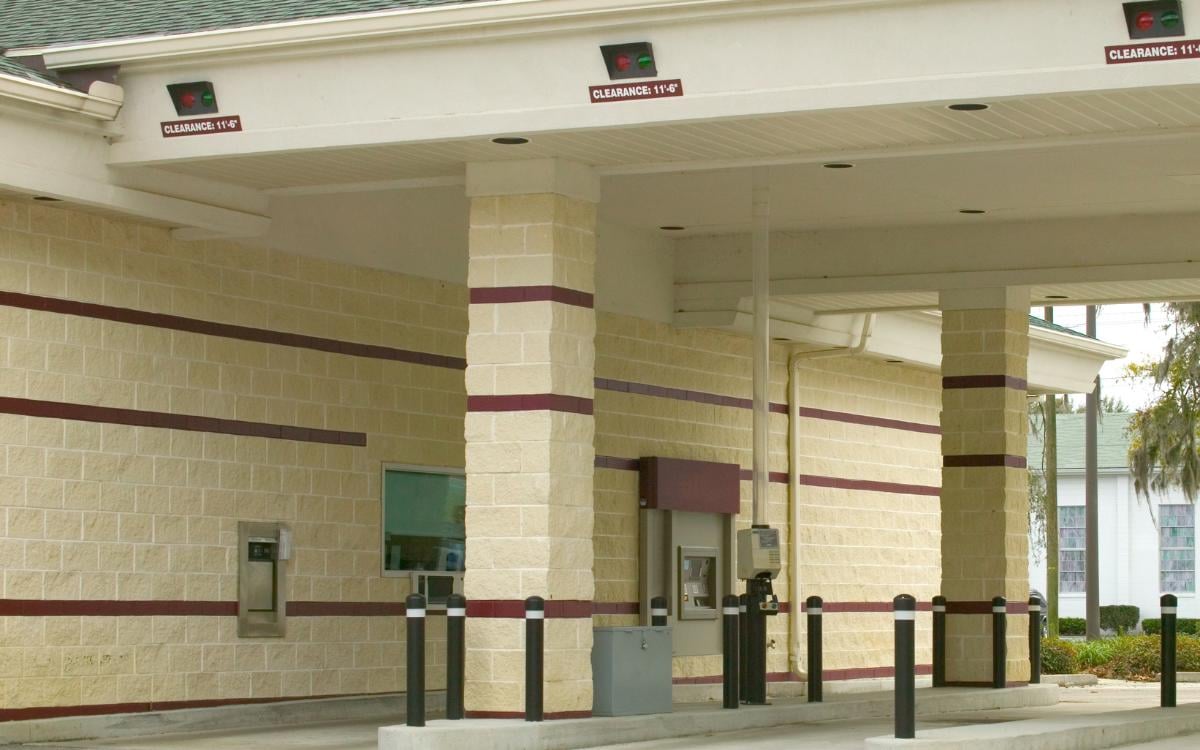
Digital banking is on the rise, but not every tech solution delivers results. The challenge isn’t identifying where technology can improve efficiency; it’s determining whether members are ready to engage with it. Too often, promising tools fall flat because they don’t align with how users prefer to interact.
How to Know What Your Members Are Ready For
Observe your members in the real world. Visit local grocery stores, big-box retailers, and even competing branches. What are people using without hesitation? Self-checkout kiosks? Touchscreen directories? ITMs with live video assistance?
This everyday tech is a valuable indicator, revealing what feels intuitive to your members and what might still be a stretch. If users are confidently tapping and swiping through daily tasks, then tools like ITMs, appointment screens, or tablet-based service stations may feel second nature. If they’re opting for a cashier, consider a more phased approach with hands-on support to guide them through the change.
Match Technology to Local Behavior
Technology decisions should never be made based on trends or vendor recommendations. What works in one community may miss the mark in another. Success depends on calibrating each solution with the specific expectations and comfort levels of your target audience. When people encounter technology that mirrors what they already use every day, they’re much more likely to embrace it in a banking environment.
Factor in Generational Comfort and Transitional Design
Generational preferences are just as influential as local demographics when it comes to tech readiness. Younger members look for seamless digital options, while older audiences often prioritize familiarity and personal support. Transitional design can help meet both needs. Pair new digital tools with clear signage, guided staff interactions, or hybrid interfaces that allow members to ease into new behaviors at their own pace.