Aren’t we all just doing our best?
Picture it. My colleague and I were launching a brand-new leadership class, and I was running a few minutes later than our agreed-upon arrival time for the first day. I reassured myself that it was no big deal because we stayed late the night before making certain the setup was complete. We were ready and it was still half an hour before class start time. As I was rushing into the building, I saw my co-facilitator pulling in the parking lot. My first thought was “are you kidding me? It’s the first day of this new class and you don’t care enough to be on time.” Interesting right? I wasn’t on time either but had justified why that was acceptable and then found it irritating that my co-facilitator was also running a little late. I might have even thought of her as careless despite having a wealth of contradicting evidence.
During one of my classes, we always ask the leaders to raise their hand if they wake up most days planning to do their best. I’ve yet to have a class where someone didn’t raise their hand. Every participant acknowledges that they’re showing up and doing their best. Then I ask them to raise their hand if they believe their team members also intend on doing their best at work most days. The results? Always less than 100%. Why is this? Why do we give ourselves more credit, often excusing our own behaviors, while tending to hold others accountable for similar actions, sometimes even connecting their behavior with a personality flaw?
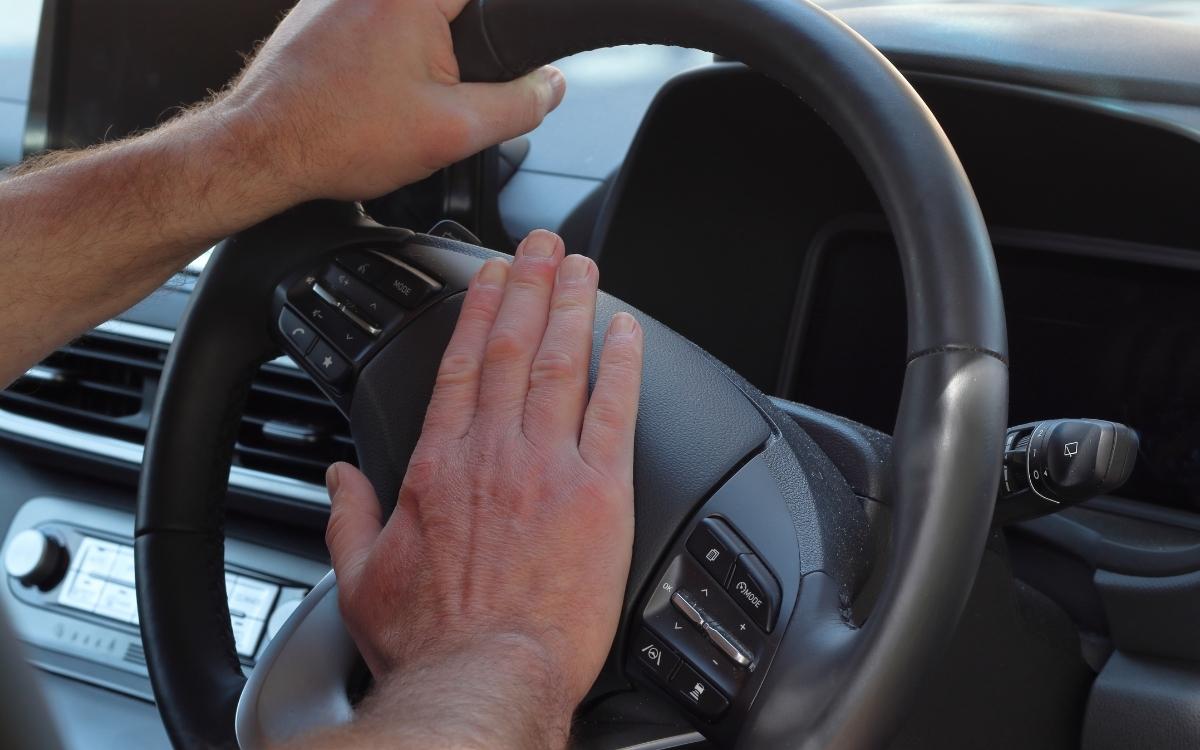
Maybe it’s happened to you. Someone cuts you off in traffic and you decide they’re “a jerk.” The next day, when you’re late for an important appointment, you find yourself weaving in and out of traffic. But we don’t usually think of ourselves as jerks when we’re in this situation. We justify our behavior because we understand the circumstances.
This phenomenon is known as fundamental attribution error. Simply stated, fundamental attribution error is our willingness to explain our behavior by the situation we are in while we connect other people’s behavior to their character. When I believed my cofacilitator was late, why wasn’t my first thought that she may have a valid reason? When someone cuts you off in traffic, why isn’t our first thought “maybe they’re having an emergency”? This happens, at least in part, because of fundamental attribution error and we can practice noticing and correct this behavior. The next time you find yourself jumping to a conclusion, try meeting it with curiosity. Traffic is a good place to practice.
As a side note, my co-facilitator wasn’t even late that day. I walked into the classroom with her fully present and prepared to begin. That wasn’t her car pulling into the parking lot; it was just the same color, make, and model.