Marketers are told daily that SEO is dead and that AI has broken search as we know it. Between zero-click results, answer engines, and a constant stream of new acronyms, the rules of visibility are ever changing. But SEO hasn’t disappeared. It’s simply moved beyond the website. And understanding where consumers now make decisions is the difference between being found and being forgotten.
The internet knows you exist—but younger consumers don’t
Bain & Company’s research finds that 80% of consumers rely on “zero-click results,” meaning search results that provide answers directly on the results page, at least 40% of the time. This leads to decision-making before someone visits your website or your Google Business Profile. This change in consumer behavior is particularly prevalent in Gen Z consumers. CUCollaborate polled over 1,000 U.S. consumers in December 2025 to learn more about their perception of credit unions, and the results are telling. Compared to older generations, positive views of credit unions are down with Gen Z by 22%. The main driver of this is split between a lack of education around credit unions (22%) and confusion about eligibility (20%).
If consumers aren’t clicking on links or discovering new websites organically, the obvious question becomes: where are they being led? The answer comes down to two places where decisions now happen before a click: directory-based websites and local business listings. If you are not focusing your organic strategy in these areas, then you may miss out on valuable leads. Starting with directories, this tactic was important in the early days of SEO and is now working its way back into relevance in 2026. With the way AI interprets content, this shift makes sense. AI prefers structured data, local relevance, trusted websites, and focuses on efficiency when pulling answers. The second part of your strategy should be optimizing your local listings. While Google Business is the dominant player here, you need to focus on multiple listing services to ensure efficient coverage.
The SEO toolkit, rebuilt
Organic traffic may be shrinking, but visibility is not. Below are a few practical, high-impact ways credit unions can adapt their search strategy to today’s AI-driven, zero-click environment.
Authentic interactions
One source you may be overlooking is Reddit. Reddit ranks well on search engines primarily because it provides authentic, user-generated, and diverse, peer-reviewed conversations that align with Google’s "Helpful Content" guidelines. It is constantly used for AI snippets and is one of the best ways you can interact with customers and potential customers authentically. Odds are your credit union is being evaluated on Reddit and you’re missing out on the conversation.
Localization
Search results today are hyper-localized with an emphasis on pages with completed information, good reputation management, and strong keyword optimization. When talking about localized SEO, you’re probably thinking about your Google Business Profile or Yelp, but did you know there are over 80 general and niche review sites? The good news is that you don’t need to be an SEO expert to take advantage of this strategy. There are several tools that help marketers track and manage listings across dozens of platforms.
Collaborative SEO traffic
There are multiple ways to take advantage of directories to increase your organic traffic, and, in some cases, your organic leads. The first is working with your league to build a joint web page or database focusing on high-intent keywords like “credit unions in my state.” A good example of this is Montana’s Credit Unions' website. It ranks first when searching for “credit unions in Montana” and provides an easy-to-use tool to find a credit union that you’re eligible to join.
Another option is partnering with established credit union discovery platforms that already rank well for high-intent searches. The specific tool matters less than the strategy. What’s important is ensuring your credit union is consistently visible across the places consumers now make decisions. Credit Union Match is an example of a directory-style site that performs well because of its localized pages and top-of-funnel content strategy.
To provide a quick comparison of the traffic directory websites receive according to SEMrush data, the NCUA’s Credit Union Locator ranks for 2.7k keywords and had over 11k visitors to its credit union locator page in January. During that same period, Credit Union Match ranked for 80k keywords and 7k visitors. The numbers paint a clear picture that this strategy is winning.
SEO isn’t dead—It’s just playing a different game
SEO isn’t disappearing; it’s decentralizing. As search behavior shifts toward zero-click answers, AI-generated results, and hyper-localized discovery, the brands that win won’t chase outdated ranking tactics. They’ll focus on showing up everywhere decisions are being made. For credit unions, that means investing in trusted directories, owning local listings, participating in authentic conversations, and structuring content in ways both people and machines understand. The opportunity of SEO is still alive, but the rules have changed. Marketers who adapt now won’t just protect their organic visibility; they’ll build relevance with the next generation of consumers before the click ever happens.
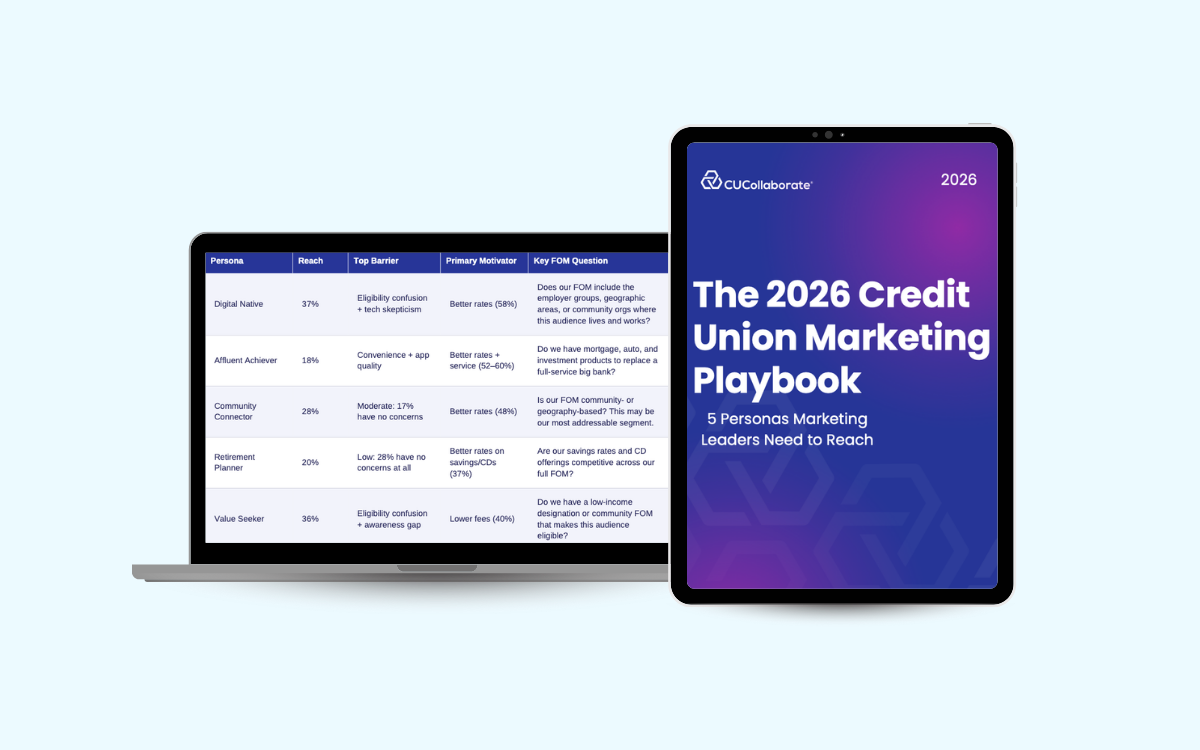
Want to see how these shifts show up across the broader consumer landscape? Download the full Consumer Perception Report here.