Office setups evolved long before the pandemic accelerated hybrid and remote work models. Today, one trend quietly reshaping how professionals work and thrive in their zone is resimercial design. This strategy aims to blend warm home environments into the professionalism of commercial office settings to improve the in-office experience of modern-day workers.
What is resimercial design?
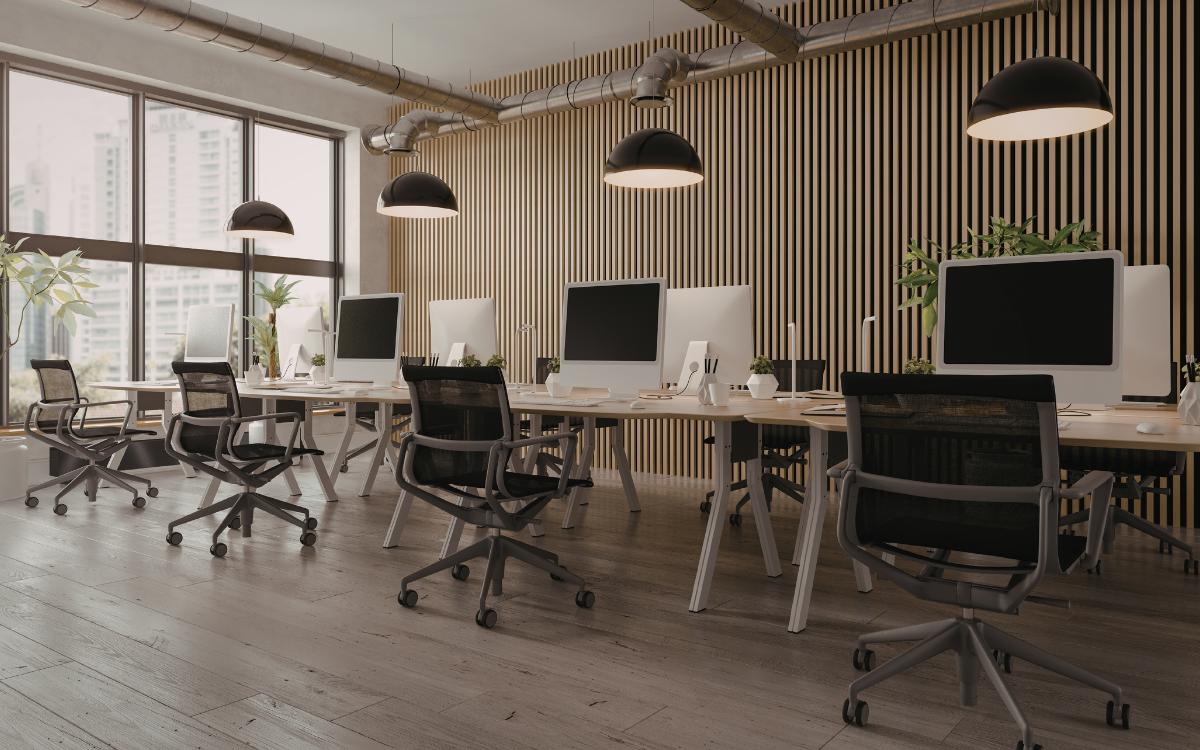
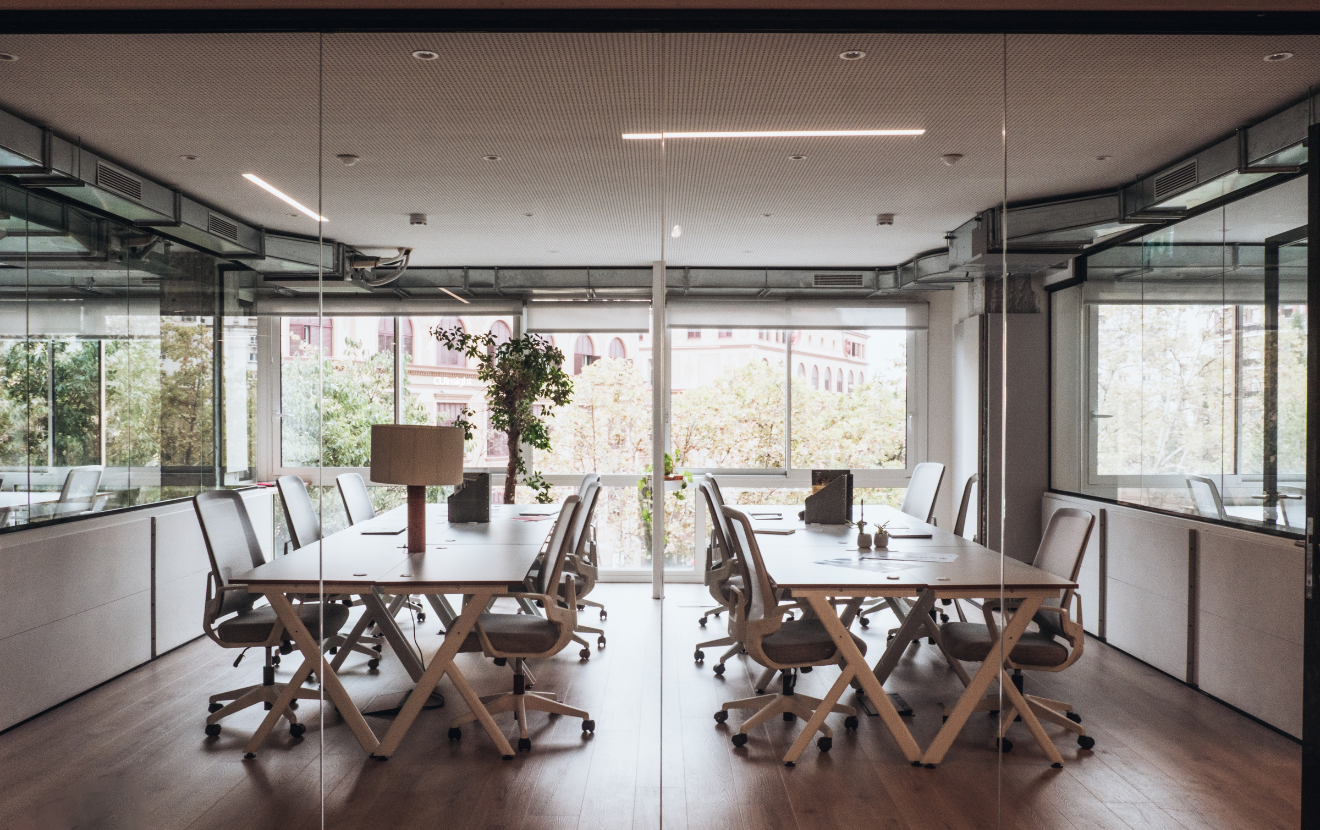
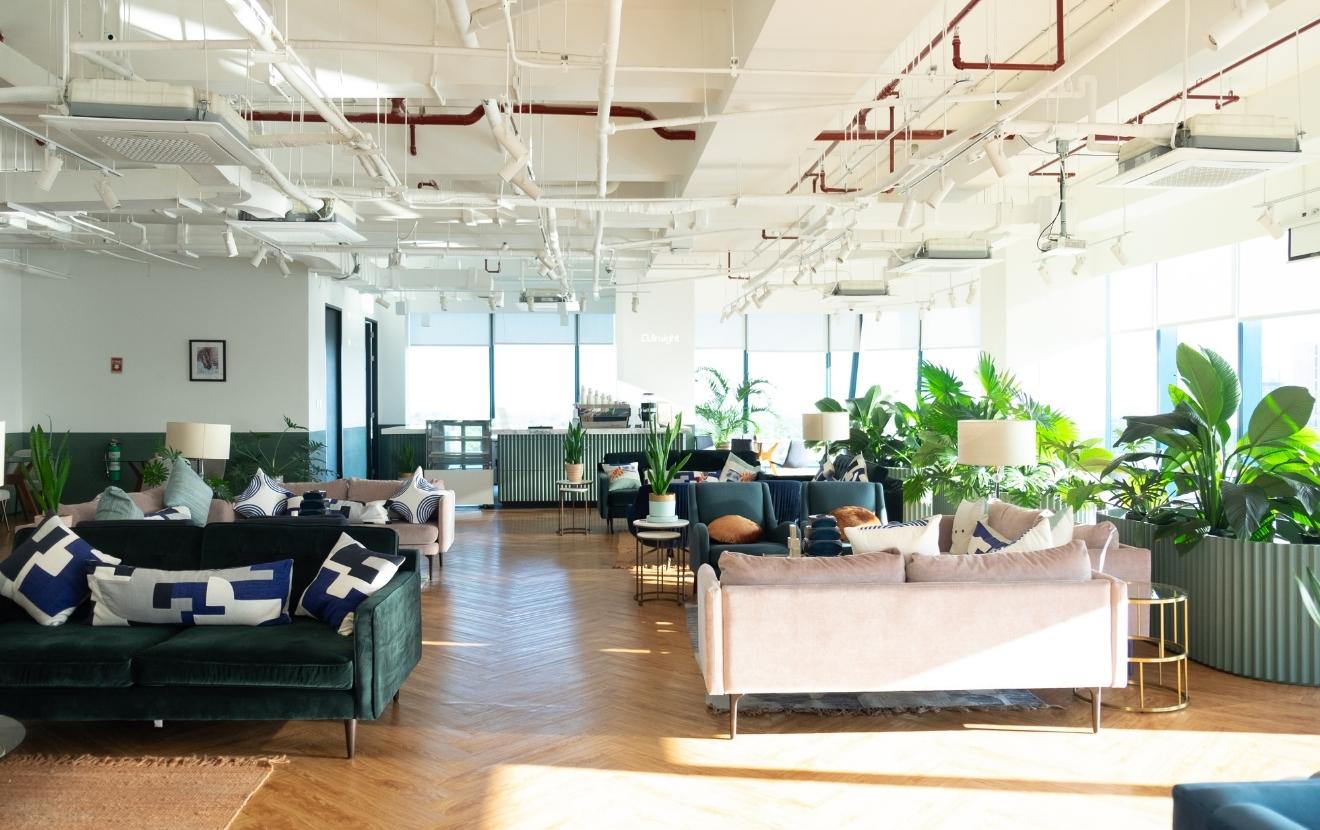
As the name implies, resimercial design is a portmanteau of “residential” and “commercial,” which began appearing in American design magazines in 2017. Instead of white overhead lighting, colorless private offices and rigid cubicles dominating the space, there is softer and natural lighting, plush seating, curated artwork and natural materials. Everything is carefully integrated into functional spaces supporting team collaboration and private work.
The trend gained traction in the creative and tech industries, where employees spend demanding hours sitting in front of a screen. It aims to bring familiarity and comfort to the workspace and make offices more enticing. Companies began to recognize the impact of physical spaces on fostering productivity. When employees see visually engaging elements instead of traditional office appointments, it triggers a dopamine release, bringing positive feelings about their workplace.
Why resimercial workspaces are gaining popularity
The rise of remote work created a new benchmark for workplace comfort. However, companies are already mandating a return to the office three days a week on average. Returning employees now expect the office to offer something better than home. Resimercial spaces meet this demand by providing comfort-focused features like ergonomic lounges, natural lighting and wellness rooms while remedying the isolation and lack of social interaction many face.
Workspace design is no longer secondary for credit unions competing for top young talent. Unlike assumptions that they hate the workplace, 60% of Gen Z employees working from home value the office more, with eight in 10 claiming they’re more productive there.
A resimercial environment signals care for employee well-being and innovation, a trait younger workers value. Comfort-forward design also boosts company appeal while promoting inclusivity and collaboration.
3 ways resimercial design redefines productivity
Since the space focuses on home-like comforts, resimercial offices are less likely to stress out employees. Here’s how it impacts productivity.
1. Comfort enhances focus and well-being
The World Health Organization defines a healthy workplace as more than just the absence of hazards—it’s a space that actively fosters well-being through supportive and health-enhancing conditions. Resimercial design’s plush seating, ambient lighting and acoustic control contribute to that. Lighter-colored materials can help reflect sunlight and reduce indoor temperatures by 4 degrees Celsius, highlighting how design can impact thermal comfort levels. This reduces mental fatigue and leads to tangible performance improvements for employees.
2. Thoughtful zoning encourages versatility
Resimercial spaces often blend open collaborative zones with quiet nooks and enclosed offices. This flexibility respects the varying work styles common in credit unions, such as member-facing roles versus back-office operations, and supports teamwork and concentrated work. “Soft zones” for loan officers or member advisers can make lengthy consultations feel less clinical and more human.
3. Promoting company culture through design
Incorporating brand values and community art into design can reinforce trust and identity, something resimercial design emphasizes. Credit unions can display stories from members or showcase community impact, reinforcing the human-centered mission many institutions hold dear. Comfortable lounges or team kitchens also invite casual conversations that strengthen internal culture.
Redefine productivity beyond desks
Traditional offices measure productivity by presence—are people at their desks? Resimercial design takes a more holistic view. It encourages focus, creativity and well-being. The goal is to build environments where people do their best work, not just where they show up.
By rethinking space with resimercial principles, credit unions can support modern workstyles, improve staff morale and align office design with their member-first mission. As expectations change, so too should the places where people work. The right space can be more than an office. It can be a productivity engine.