Younger professionals often prioritize flexibility, collaboration and well-being in ways that differ from traditional office norms. As hybrid work becomes more common, many Gen Z professionals see office hoteling and flexible work environments as a better fit than traditional offices. Understanding these preferences can help organizations attract and retain emerging talent.
What is office hoteling?
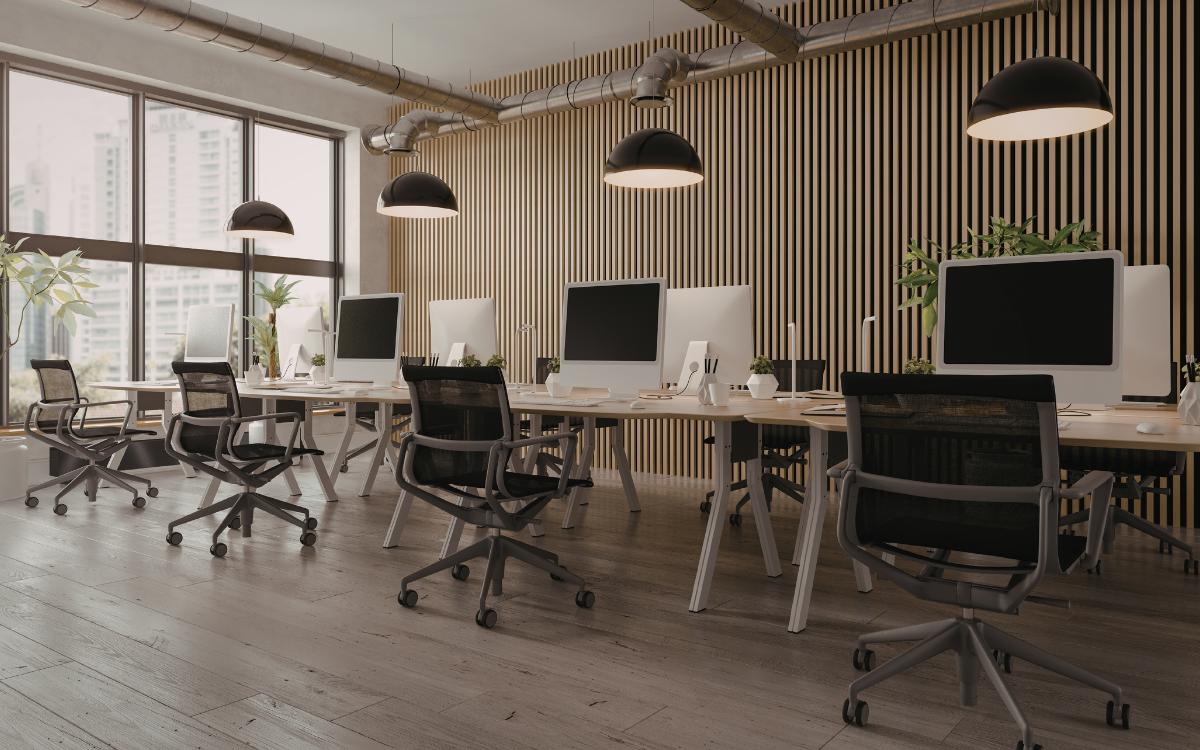
Office hoteling is a workplace strategy in which employees reserve desks or workstations as needed. Similar to booking a hotel room, workers can select available desks, meeting rooms, or quiet spaces through a reservation system.
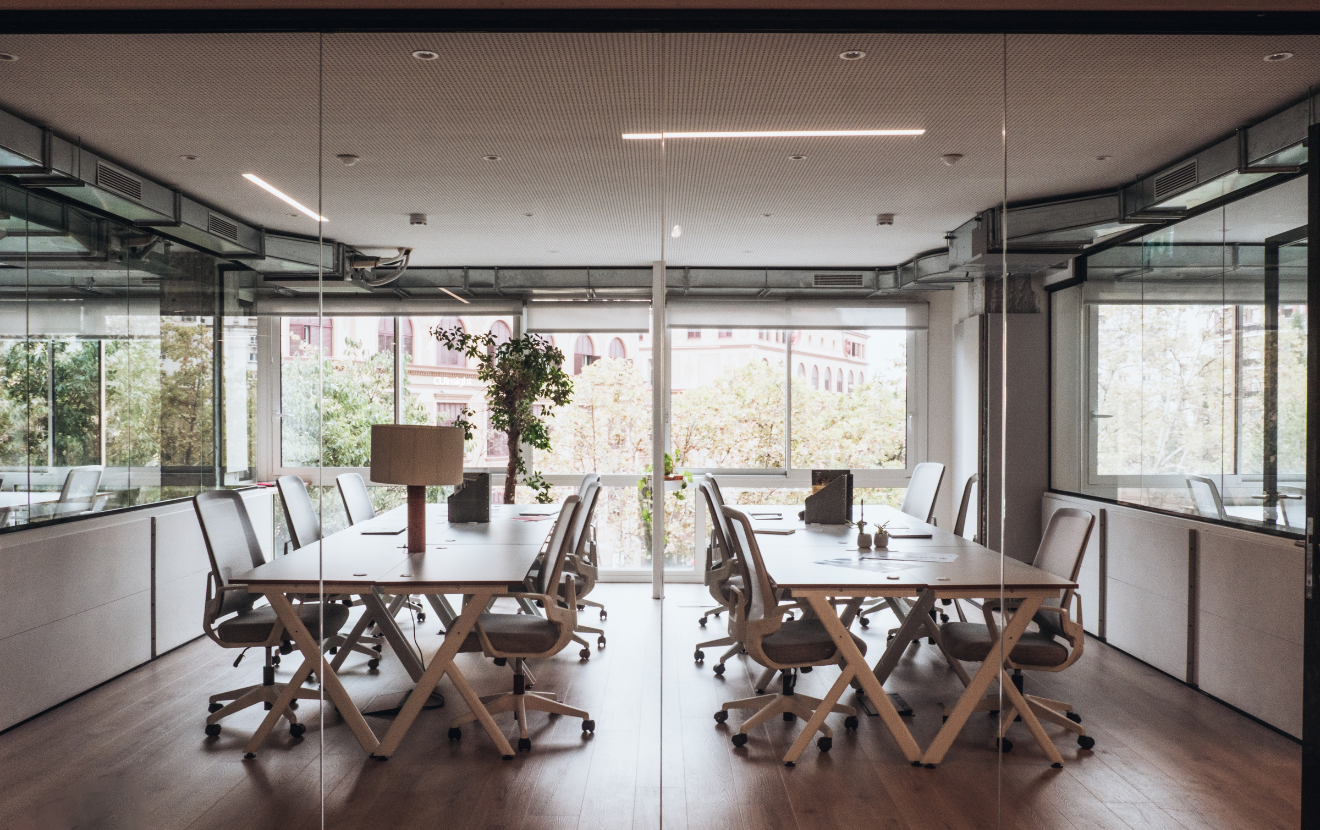
This model supports hybrid work schedules by allowing employees to use office space only when necessary. Instead of maintaining rows of unused desks, organizations can provide a range of work areas designed for different tasks. A workplace may also include quiet focus zones, collaborative tables, private meeting rooms, and lounge-style areas.
What are flexible work environments?
Flexible work environments go beyond desk reservations. They refer to workplaces that allow employees to choose where, when, and how they work. These environments usually combine hybrid schedules, remote work options, and adaptable office layouts.
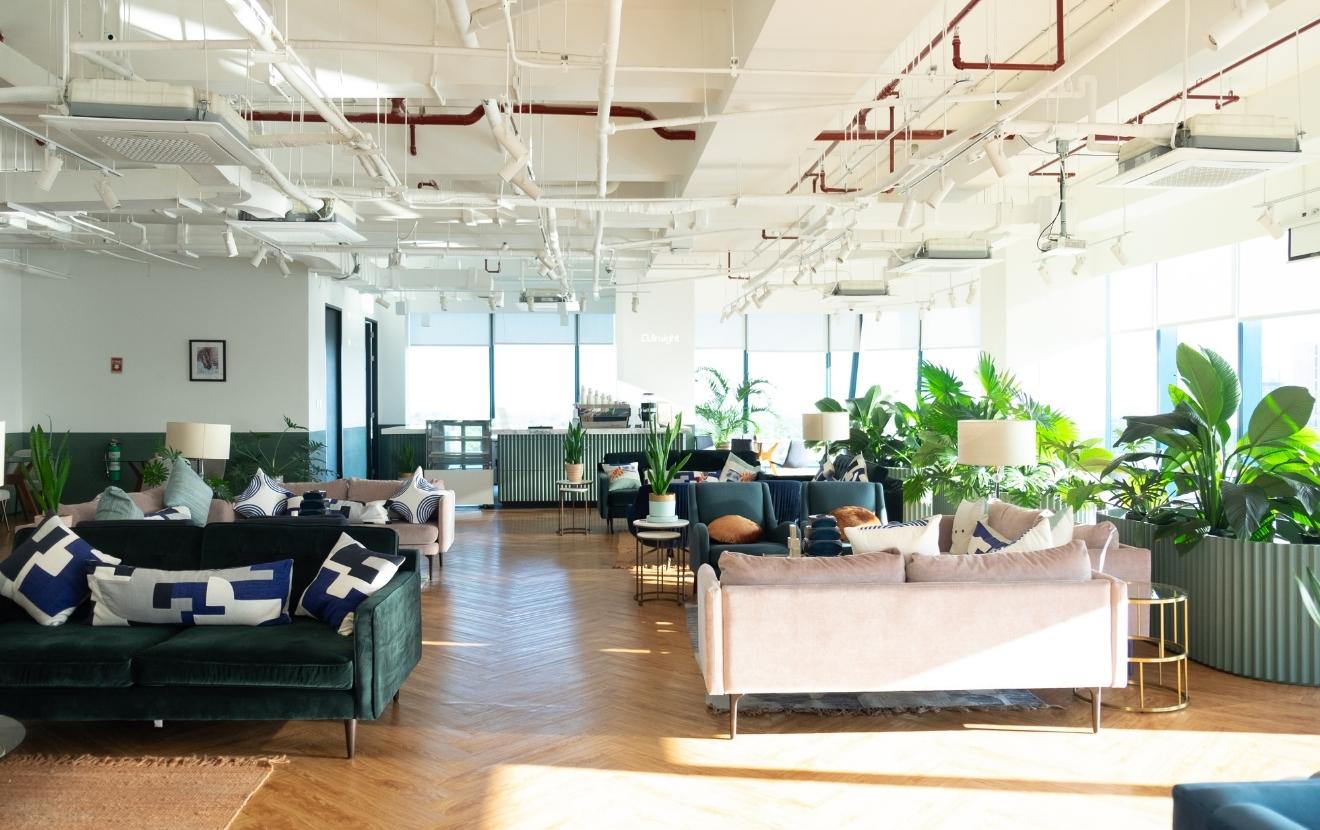
Many flexible offices also use activity-based design, where different areas are useful for different types of work. Open collaboration zones encourage teamwork, while quiet rooms allow employees to focus without distractions. Softer seating, relaxing natural lighting and well-ventilated areas can prevent contamination, make offices feel more welcoming, and support employee productivity.
Flexible work environments are attractive to modern employees. The global market for flexible coworking spaces is projected to reach $136 billion by 2032, demonstrating the increased demand.
Why Gen Z prefers flexible work models
Many younger professionals value workplaces that support both productivity and well-being. Here are key considerations:
- Collaboration over cubicles: Gen Z workers often enjoy environments that encourage communication and teamwork. Traditional cubicle layouts can limit interaction and collaboration. Alternatively, flexible workspaces can prioritize shared areas where teams can gather and exchange ideas.
- Greater autonomy and work-life balance: Hybrid and hoteling models allow employees to manage their schedules and environments more independently. Flexible work accommodations support stronger overall performance and increase job satisfaction.
- Technology-driven work accommodation: Reservation systems for desks, online collaboration platforms, and mobile work tools align naturally with hybrid work habits. Employees can stay connected wherever they are working.
Why offering flexible work models matters for credit unions
Over 60% of Gen Z professionals prefer hybrid work over fully remote or in-person models. Credit unions operate in an increasingly competitive talent market, particularly when recruiting younger professionals. Financial institutions must often compete with larger banks, fintech companies, and technology firms for skilled employees.
Modern workplace strategies, such as office hoteling and flexible work environments, can help credit unions remain competitive. These models allow employees to choose where and how they work, rather than assigning permanent desks or relying on strict schedules, which is especially appealing to employees seeking flexible work conditions. The setups can also improve internal collaboration and better use office space, especially as hybrid work continues to grow.
For organizations seeking to modernize their workspaces, these environments offer a way to save costs and accommodate different work styles within a single office. Companies that can adapt to these expectations will find it easier to attract and retain Gen Z talent.
Adapting the workplace for the next generation
Adopting flexible work strategies involves creating spaces that support collaboration, flexibility, and modern work habits. By aligning workplace design with the expectations of younger professionals, organizations can better position themselves for future growth.