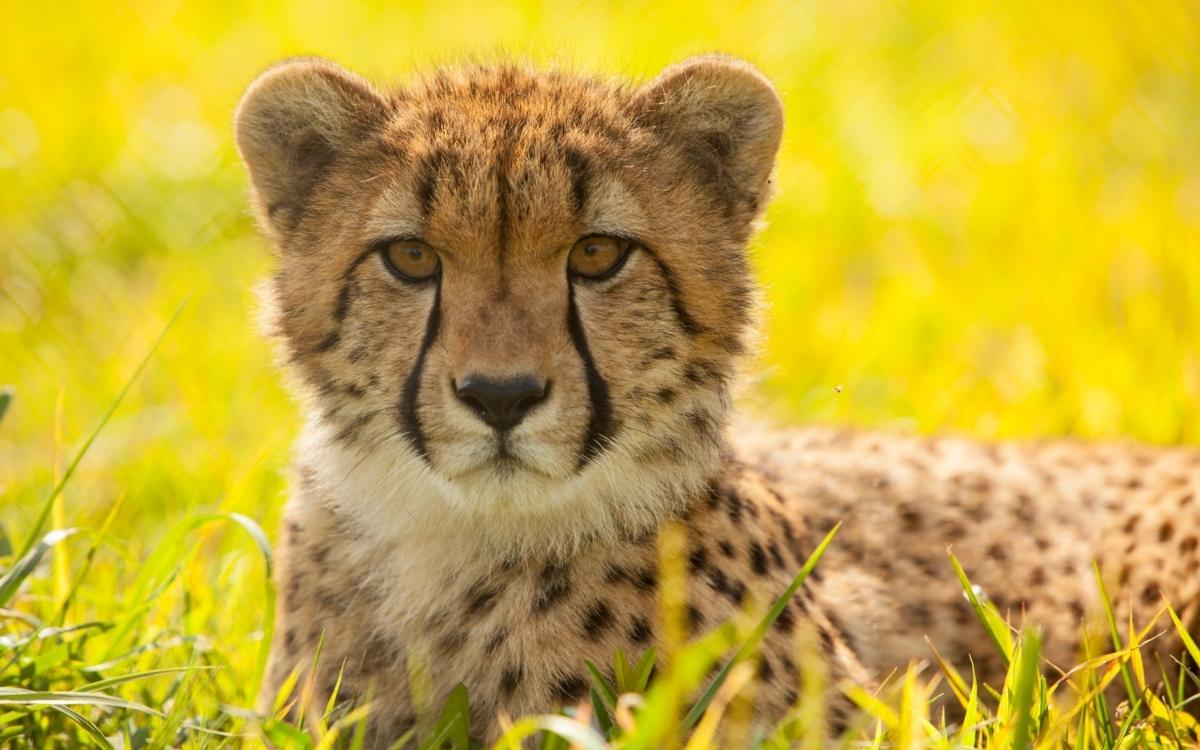
One Saturday morning, I turned on the TV and Xploration Animal Science was on. The episode was called Fastest Sprinters, and what caught my attention was how differently “speed” shows up in the animal kingdom.
The cheetah, the peregrine falcon, and the ostrich each hold a record for being the fastest—but in very different ways. As I watched, I realized these animals are more than a science lesson. They’re a leadership lesson. Too often, we celebrate speed without asking: is it sustainable, is it situational, and does it even belong to me?
The cheetah: Bursts without endurance
Take the cheetah, for example. It can hit 70 miles per hour but only for about 200 yards before exhaustion forces it to stop. In leadership, we can fall into the same trap. We sprint into new initiatives, push our teams at full throttle, or try to outpace the competition with constant intensity. At first, it looks impressive—projects move quickly, results come fast, and people applaud the burst of energy. But just like the cheetah, without endurance, the sprint eventually collapses. Burnout, turnover, and fatigue set in.
Leadership isn’t a 200-yard dash. It’s a marathon that requires pacing, stamina, and intentional recovery. The best leaders know how to push when it’s necessary, but they also know how to pause, reset, and protect the long game. I’ve had to learn this myself—that leading at cheetah speed might look impressive, but it’s not sustainable.
But speed isn’t only about endurance. Sometimes the real question is when and where speed actually matters. That’s where the peregrine falcon comes in.
The peregrine falcon: Context is everything
The peregrine falcon wears the crown as the fastest animal on Earth, reaching speeds of over 200 miles per hour. But here’s the catch: it only achieves that record in a dive. In level flight, it doesn’t even come close.
That detail matters. The falcon’s greatness isn’t about speed at all times, in all conditions—it’s about speed in its conditions. And that’s a lesson for leaders. Too often, we measure ourselves against others without accounting for context. We see someone else’s success and assume we’re falling behind, forgetting that their “dive” moment may not be ours.
Leadership is situational. The strength that makes you effective in one setting might not be what’s needed in another. Timing, environment, and circumstances shape which skills rise to the top. The most effective leaders know their context and play to it, excelling where their strengths fit the moment rather than trying to be “fastest” in every category. This is what leadership experts often call “situational leadership”—adapting how you lead based on the environment and the people you’re leading. So, the question becomes: do you know the conditions where you thrive, or are you trying to soar outside your element?
And yet, even when we understand our strengths and context, comparison has a way of creeping back in. That’s why the ostrich offers one more reminder.
The ostrich: Leading in your lane
The ostrich may not keep up with the cheetah or the falcon, but it still holds a remarkable title: the fastest two-legged bird in the world, capable of running up to 45 miles per hour. It’s not the overall fastest, but it is unmatched in its lane.
This is where imposter syndrome creeps in for many leaders—even for me. I’ve had seasons where I’ve looked around at other leaders, compared my pace to theirs, and wondered if I was enough. But the ostrich doesn’t waste time comparing itself to other animals. It runs as only it can, and in doing so, it owns a world record of its own.
Christine Caine is often quoted as saying: “You don’t need to compete with anyone. Run your own race. What’s meant for you won’t pass you by.”
When leaders embrace their lane, they stop wasting energy competing where they were never designed to compete. Instead, they channel their focus into the strengths that make them uniquely effective. Excellence doesn’t come from being the best at everything; it comes from knowing what you do best and doing it with consistency.
The bigger picture
That Saturday morning episode reminded me that leadership lessons don’t always come from boardrooms or business books—sometimes they come from the natural world. The cheetah dazzles with bursts of speed, the falcon dominates in a dive, and the ostrich owns its lane on two legs. Each is “fastest” in its own right, but only because it leans into what it was built to do.
Leadership isn’t about outrunning everyone else. It’s about knowing when to sprint and when to pace yourself, understanding the context you’re leading in, and embracing your unique strengths without apology. The next time you’re tempted to compare yourself to the “fastest” around you, remember this: endurance, context, and authenticity matter more than raw speed. True leadership isn’t about how quickly you move—it’s about how wisely and sustainably you run your race.
As Lao Tzu is often quoted: “Nature does not hurry, yet everything is accomplished.”