On June 11th, I had the chance to visit Columbia Parc in New Orleans with fellow credit union professionals during Impact Day with Luminate Louisiana Credit Unions.
Columbia Parc was built where the old St. Bernard Housing Projects once stood. Before Hurricane Katrina, it was one of New Orleans’ most troubled areas—poverty, crime, and neglect were a daily reality for thousands of families.
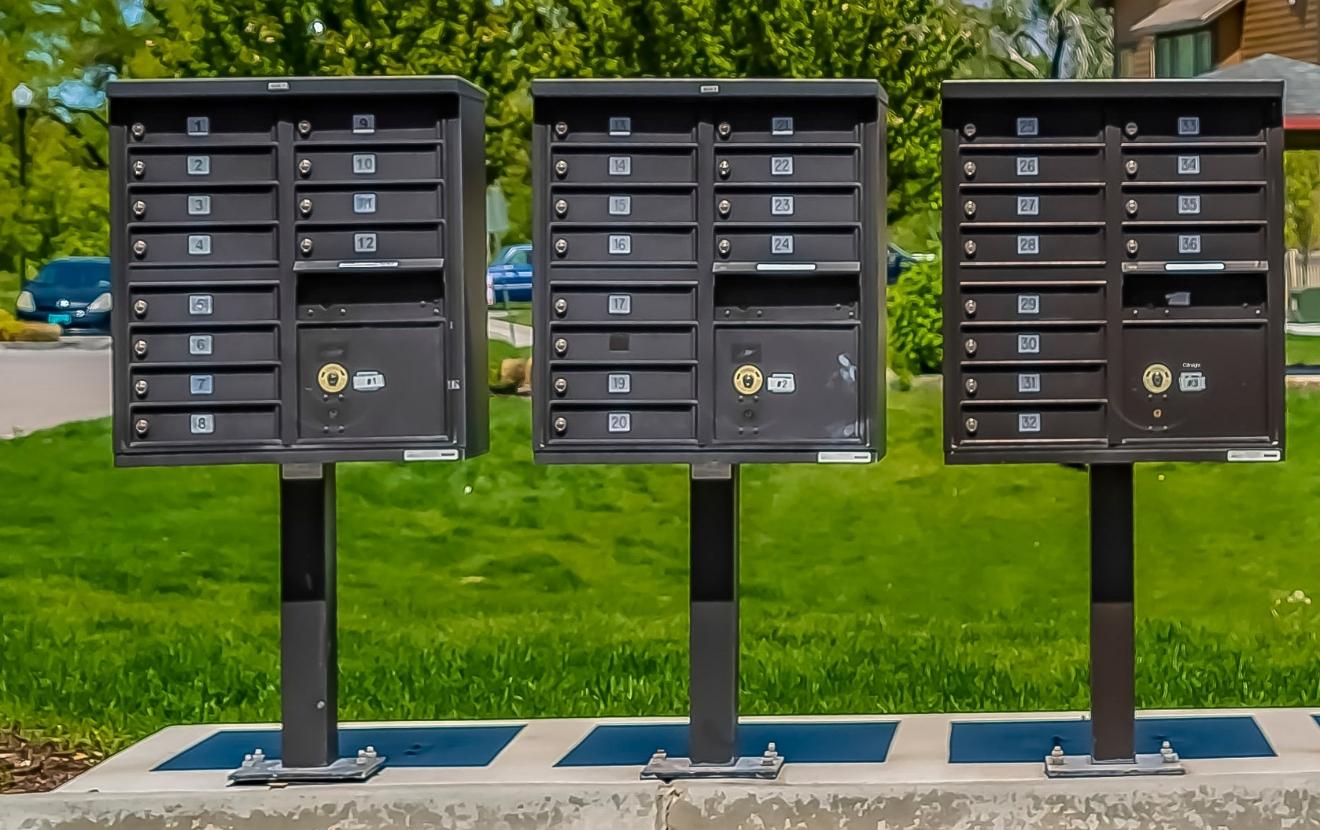
Through CDFI grant writing research, I have read plenty about what was there before. Being there, seeing kids playing, listening to neighbors talking on their porches and walking the streets, it gave me a completely different view. And the change is amazing. And what most caught my eye wasn’t a flashy new building or a big investment. It was the mailboxes.
In the early 2000s, St. Bernard Projects comprised of roughly 980 units, mostly housing single parent, Black families (GNOCDC). The challenges were staggering—between 2002–2003, 25 homicides occurred inside the development, and violent crime rates were nearly 18 times the national average (Rees Jones Inc.).
The environment wasn’t just unsafe—it was isolating. People didn’t gather or linger outside. Doors stayed locked. Parents kept children inside as much as possible. The sense of community was fractured.
Then Katrina hit. When the water finally receded, more than 80% of units were destroyed (FEMA/HUD). The city faced a choice: rebuild what was—or create something entirely new.
What emerged was Columbia Parc—a thoughtfully designed, mixed-income community with 685 units (American Planning Association).
The new neighborhood focused on something beyond just brick and mortar. It was about people—about rebuilding trust and opportunity where it was lacking. The design features an early learning center, fitness spaces, parks, areas for the community to congregate—and strategically placed public amenities to promote daily interaction.
Among these? The clustered mailboxes at the center of each block (Bayou District Foundation).
And the results? One of the specific examples cited is that crime decreased 99.7% over a four-year span (InterSector). That’s incredible progress.
But on Impact Day, the thing that stuck with me most wasn’t the statistics. It was those mailboxes.
At Columbia Parc, residents walk to clustered mailboxes to retrieve their mail, not to individual doorstep boxes. It is a modest but intentional nudge to encourage (or force) neighbors back into one another’s paths, to engage, to regain trust over time.
New York City sociologist Mark Granovetter first introduced the world to “weak ties” mattering: the notion that ordinary contacts (brisk chats, over-the-shoulder hellos) are what build trust and social capital within a community (The Strength of Weak Ties, 1973). That’s what I saw: children on bikes, neighbors exchanging greetings, families waving hello. Small moments, big impact.
What credit unions can learn
It was that stroll through Columbia Parc that made me consider our world.
Credit unions provide relationships. That’s our single point of differentiation. But in our hurry to modernize, digitize and stay in step with changing member expectations, we tend to forget what brings members in the door—and what keeps them there: connection.
So, this is the question I was left with: what’s the mailbox for us? How do we generate more small, human moments that foster trust, connection, and a real sense of belonging among our members?
1. Make branches places to linger
We’ve spent the last decade streamlining branches—which makes sense. Except that’s not how relationships work. If we want members to stay, we’ve got to give them a reason to stick around.
- Comfortable seating, local art, and bulletin boards with community events, not just CU ads.
- A pot of coffee or cold drinks—the simplest things spark connection.
- Spaces for casual workshops or “open office” hours where members can chat with staff about life, not just loans. Even Gen Z and Millennials have said this is important to them.
2. Host events that are about people
Financial education is important, but community isn’t built on workshops alone.
- Host casual meetups—member picnics, after-hours mixers, or even neighborhood walks.
- Partner with local nonprofits for volunteer days where members and staff work side by side.
- Celebrate members’ life milestones—a new home, a new baby, a new business.
3. Create “mailbox moments” digitally
Most members engage with us digitally now—but that doesn’t mean we can’t foster connection online.
- Build community boards or forums into your app.
- Feature “member spotlights” on your website or social media.
- Allow members to share tips, local resources, or their financial wins—because connection shouldn’t stop at the branch door.
4. Teach staff to value small talk
I can’t stress this enough. Relationships are built through conversation.
- Train your team to ask about members’ lives—their families, hobbies, milestones.
- Celebrate staff who go beyond transactions to build trust and rapport.
- Recognize that small talk is a big deal—because it’s how people feel known.
5. Measure connection, not just transactions
It’s easy to track deposits and loans. But do we measure whether we’re truly building community?
- Track event participation, referrals, and member satisfaction with community features.
- Listen to feedback—are members telling us they feel seen and valued?
- Look at engagement in both digital and in-person spaces—because relationships happen everywhere.
The bottom line
That mailbox at Columbia Parc? It wasn’t about mail. It was about connection.
One simple design decision: one that would encourage neighbors to step outside and cross paths, slowly building trust.
As I walked through Columbia Parc, I kept thinking we need more of that in the credit union world. It doesn’t have to be complicated. We can design for connection—in our branches, in our apps, in our events, and in every interaction we have with our members. We can create our own “mailbox moments”—small touchpoints that remind members they are part of something bigger than just an account number.
Because at the end of the day, people don’t choose us just for rates or features. They choose us because we offer them a place where they belong.
And that starts, just like it did at Columbia Parc, one mailbox at a time.