Profit is not a priority of credit unions. However, their long-term survival and scalability depend on the size of their asset value. Although management should rightfully look at the big picture to grow memberships and reduce attrition risk, no executive should underestimate the impact of day-to-day operations on revenue. Problems in this area prove that shortsighted thinking comes at a price over the long term.
Bad office design increases stress levels
The workplace can significantly affect people’s well-being. It’s where staff members spend many of their waking hours, so a stressful work environment can be detrimental to employee wellness.
Design elements that fail to support workers’ functional and psychological needs can result in low morale and decreased job satisfaction. A good example is the open office, which can pressure people to appear busy and also lead to distractions.
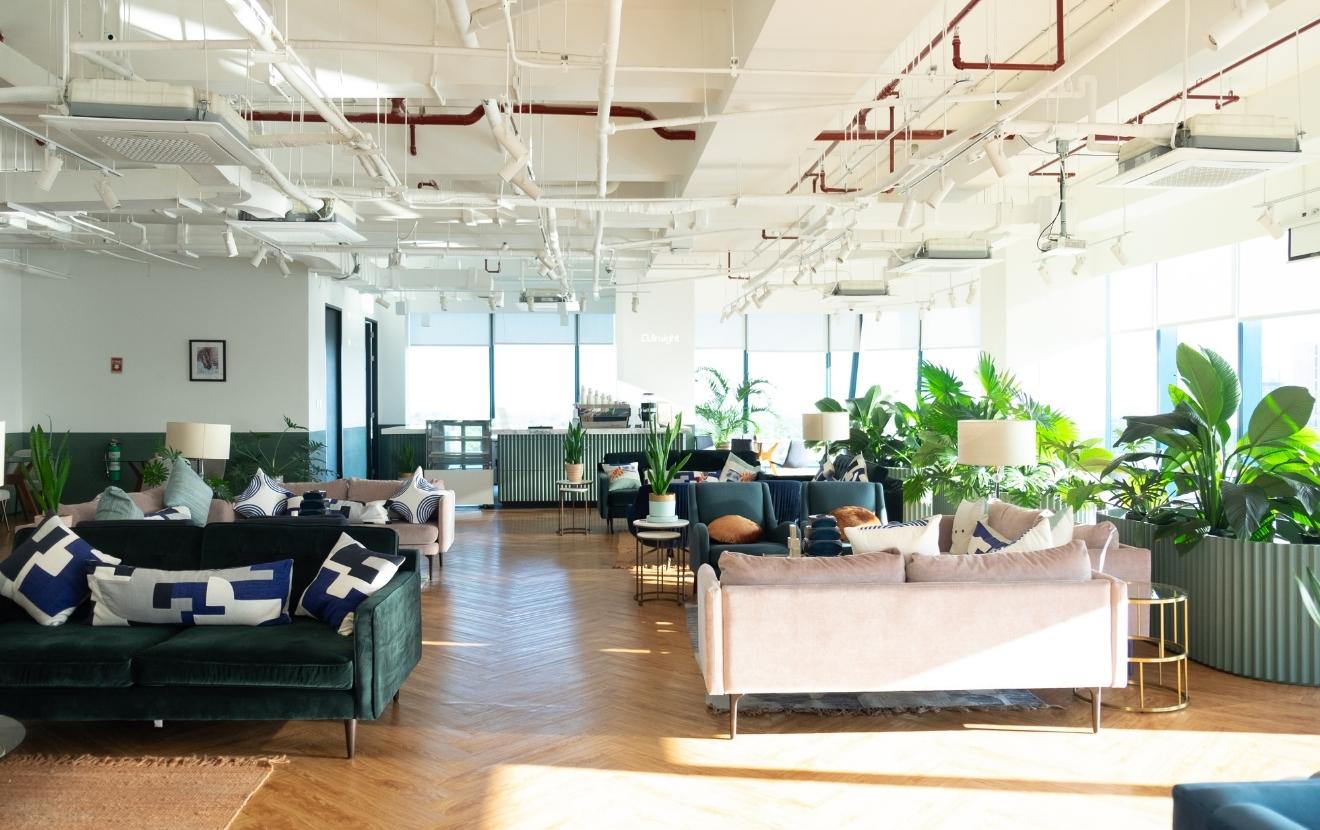
A stressful workplace can lead to poor customer service, a big deal for institutions that consider high-touch client care a selling proposition. Promoting privacy, good lighting, ergonomic equipment, and soothing interior colors matters to enhance office design. Decorating walls with biophilic features, inspiring graffiti, and uplifting personal mottos can boost team motivation and create a fun space.
Unhappy employees erode customer loyalty
Disgruntled workers are less likely to give it their all to delight members. The disposition of frontline employees is more important than ever. The membership ranks of credit unions are aging, but better customer service can win over younger generations, especially Gen Zers. This demographic seeks a strong commitment to service and a sense of community in financial institutions.
Improving employee happiness involves knowing what’s causing the dissatisfaction in the first place. While office-related issues can vary, the merits of good employee management are universal.
Middle managers should focus on employee engagement to keep staff members more fulfilled in their roles. Setting clear expectations, tracking metrics fairly, recognizing achievements, and celebrating small wins go a long way.
Building hazards damage reputation
Good housekeeping goes beyond cleanliness, hygiene, organization and productivity. It contributes to office safety, which can generate bad press when taken for granted and can drive attrition.
For instance, deferred roof maintenance may create the illusion of financial gains, as it maximizes office uptime and minimizes repair expenses. In reality, it can delay the discovery of clogged gutters and damaged roofing materials caused by tree branch protrusions. Unaddressed clogs can cause mold growth and drainage issues, potentially putting the organization in a bad light if these problems manifest during business hours.
What happened to New York-based Tonawanda Valley Federal Credit Union in December 2022 was a cautionary tale. The institution made headlines for the wrong reasons after a water pipe burst and flooded its drive-thru and back office operations. The building’s northwest side sustained water damage, and the incident immediately halted the cooperative’s ATM services. A timely inspection and repair could have prevented the plumbing disaster and months-long restoration—a valuable lesson in preventive maintenance.
Thinking with foresight drives asset value growth
Adopting a farsighted attitude toward macro- and micro-level decisions is key to attracting more members and discouraging checking and savings account holders from using big banks. Creating a stress-free office, keeping employees happy, and promoting building safety are low-hanging fruit to strengthen the balance sheet and improve liquidity over the long term.