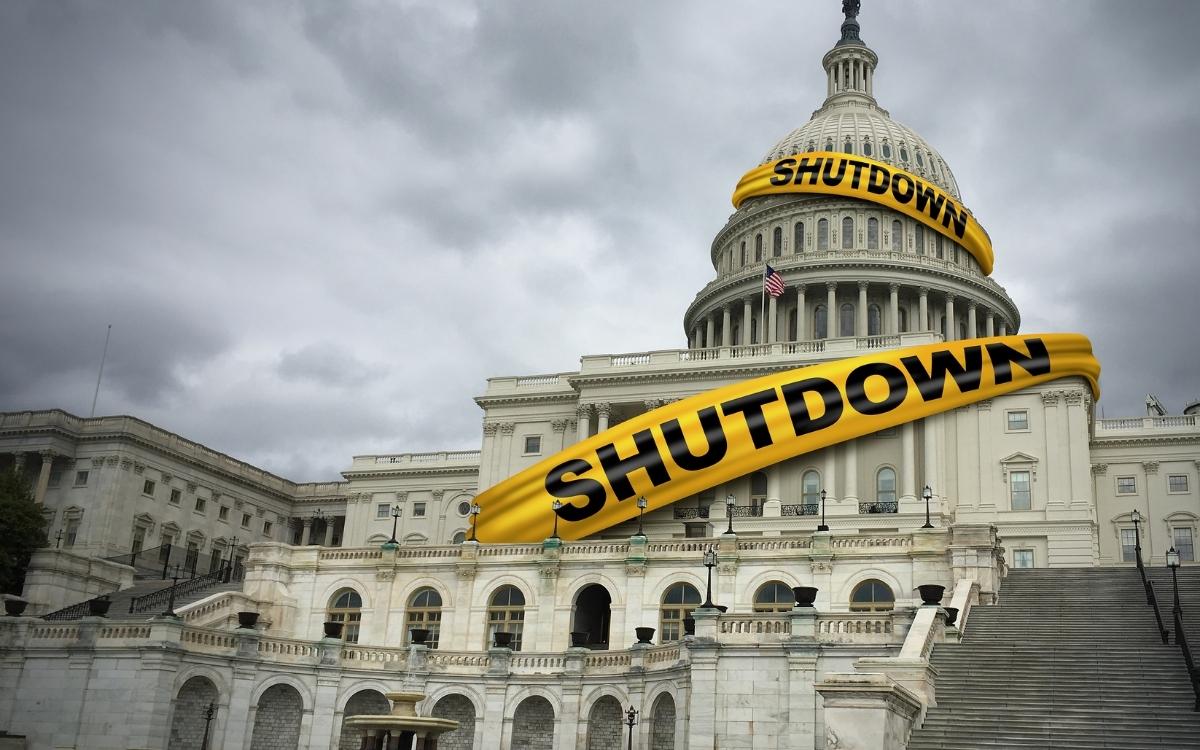
When the federal government shuts down, the world doesn’t end, but it does wobble a little. Federal workers start checking their account balances more than their email, and the rest of us notice just how many systems depend on people who suddenly aren’t getting paid.
For us credit unions, this is one of those moments when mission really meets reality. It’s easy (or at least it should be) to talk about being member-focused when the economy hums along. It’s another thing entirely when paychecks stop and fear starts creeping in. So, in essence, a shutdown is a stage where our cooperative difference either shines or stumbles. As a system—and I know we all know this—much can be gleaned from times of instability.
Inside the organization, leadership steadiness matters more than strategy slides. The team takes their cues from the top. If you radiate calm confidence, they will reflect it right back, and more importantly, to members. Keep communication open, celebrate small wins, and maybe bring in coffee or doughnuts or hire a food truck for the day for the staff who are fielding all those worried calls and faces. Those faces are your shop, but so is your frontline, more than anyone else in the org, and they might be worried, too. I often stress that internal members should forever be cherished and then some.
And build out communication that feels human. Members don’t want jargon or platitudes or acronyms, in fact they rarely, if ever, do.
(I don’t either . . . well maybe just MCIF, APY ROI, ROA, KPI, CDFI, GAC, etc. etc.). Sorry, sorry.
Anyway, your members are people. They want to know that someone on the other end actually gets it. Tell them what you’re doing to help, tell them early, and tell them often. Put the message everywhere they might look. Of course, this isn’t the end of days. This doesn’t take precedence over board elections or core conversions or structure fires or a haunted HQ—yes, I’ve experienced this, but it’s story for another time—but it might be scarier for your membership than maybe you realize. My point being that clarity and kindness travel faster than crisis.
Then comes the inevitable test of flexibility. Rules are important . . . until they get in the way of people. This may seem like a no-brainer, but please make sure frontline staff knows, like, really knows, that they have permission to be real. Because sometimes the best financial decision is a compassionate one. A skipped payment or waived fee might cost a few dollars today but will buy years of loyalty tomorrow. I’m not saying hand over the keys, but some training and leeway can make a continuum of difference.
Collaboration also keeps the movement strong. Anyone who knows me knows I say “collaborate” probably more than maybe I should. But seriously, sharing resources and coordinating messages with leagues, associations, community partners, and other credit unions (PRINCIPLE SIX) turns isolated acts of goodwill into a collective demonstration of what we all stand for. As a marketer, it is hard to imagine a better public relations strategy than simply doing the right thing.
Remember, every shutdown, world event, drought, fire, act of God offers lessons in preparedness and perspective. Track what worked, what didn’t, and what can be improved before the next one. We love our SOPs. If not for posterity, then for people, for preparation isn’t pessimism. It’s the best form of service. Credit unions were built for moments like this.
I know I can be a touch loquacious here, but lest we forget that the first credit union members weren’t scientists, politicians, or artisans. They were peasants, convicts, farmers, struggling, outsiders, people on the edge of society . . . US. We are our members, and our origins are ingrained in the work we do. When others freeze, we function. When others say “we’ll see,” we say “we’ve got you.”
A shutdown might close the government, but it opens a chance for us to prove, to perhaps just the right person, that cooperation and care never go out of business.
Go do what you do best. Help people. I know you will.