I’ve debated writing this one for years. It’s personal. It’s absurd. It’s universal. Or maybe it’s just me.
I’m talking about women’s restrooms.
If you’ve ever used one, you already know chaos, confusion, and questionable design choices await. And every time I walk into one, I find myself asking, “Who designed this bathroom?!”
Because it sure wasn’t a woman.
Let’s review the evidence:
- There’s always a line. Always.
- The doors open inward and hit the toilet.
- You can’t tell which stalls are empty, so you do the awkward peek-under maneuver.
- The coat hook is at perfect eye-poking height.
- The toilet paper dispenser competes with your knees for territory.
- The mirror reflects everything except your face.
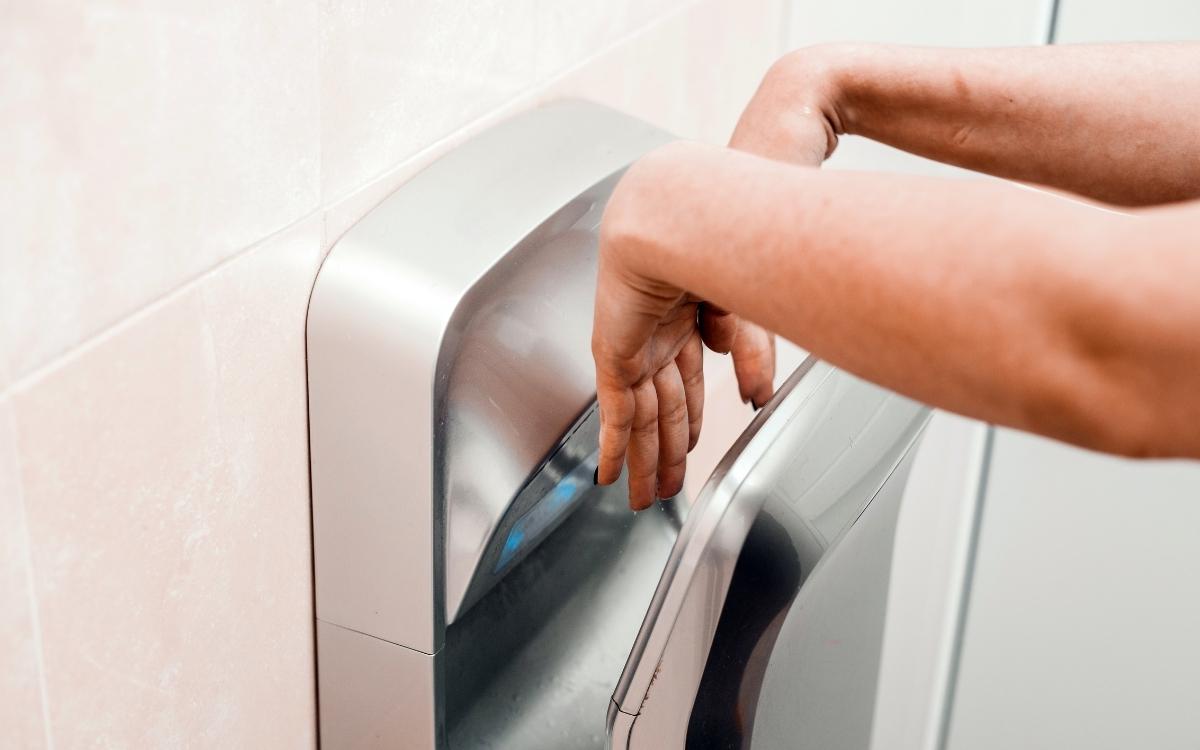
- And the hand dryer? Across the room, behind a crowd, next to the exit. It’s a dripping obstacle course of poor planning.
No woman on earth would have designed this because women use this.
Design without representation is dysfunctional
That’s the heart of it, right? If the people using the thing aren’t part of designing the thing, the result will always miss the mark.
That’s not just true for bathrooms, it’s also true for credit unions.
Too often, products, policies, and even leadership structures are designed without enough representation from the people they affect most. It’s not malicious. It’s tradition. “That’s how it’s always been done.” But when the design table is filled with the same perspectives, you end up with a financial version of that awkward restroom: functional on paper but frustrating in practice.
You can’t meet the needs of a diverse community if the people you serve aren’t part of creating the solutions.
Why perspective matters (beyond bathroom hooks)
Sometimes the people designing or leading the process can’t see what’s broken because they’re not the ones using it. They’re looking at blueprints, not experiences. They see systems, not stories.
Meanwhile, the people actually using the thing (the members, the employees, the community) spot the pinch points right away. The blind spots. The inefficiencies that could be fixed with one simple, obvious change.
And they wonder. Why hasn’t anyone else noticed? It’s because they weren’t invited into the design process.
That’s why representation matters. When people with different experiences and perspectives are part of building the system, design becomes intuitive, inclusive, and effective.
Whether it’s a bathroom, a loan policy, or a mobile app, you can feel the difference when it’s been shaped by someone who’s walked in your shoes or at least taken the time to understand what it’s like.
Representation isn’t just fair. It’s functional.
Every time I find a restroom with no line, good lighting, door hooks at the right height, and dryers next to the sinks, I think: “Ah. Someone finally got it.” Because someone thought about the experience, not just the architecture.
Now imagine applying that same logic to credit unions. When we invite diverse perspectives (women, people of color, young professionals, seasoned members, and so on) the results are better. Processes flow better. Products fit better. The entire ecosystem works better.
Representation isn’t just a moral stance. It’s a design principle.
The lesson in the ladies’ room
So yes, I’m still that person taking pictures in bathrooms and muttering about door angles.
But every bad restroom reminds me of what happens when design happens in isolation and when decisions are made for people instead of with them.
If we want better systems, better products, and better communities, we need the people who use them to have a say in building them.
Because only then will we stop asking, “Who designed this bathroom?” and start proudly saying, “We did.” Oh, and thanks for finally putting the coat hook somewhere that doesn’t take out an eye!