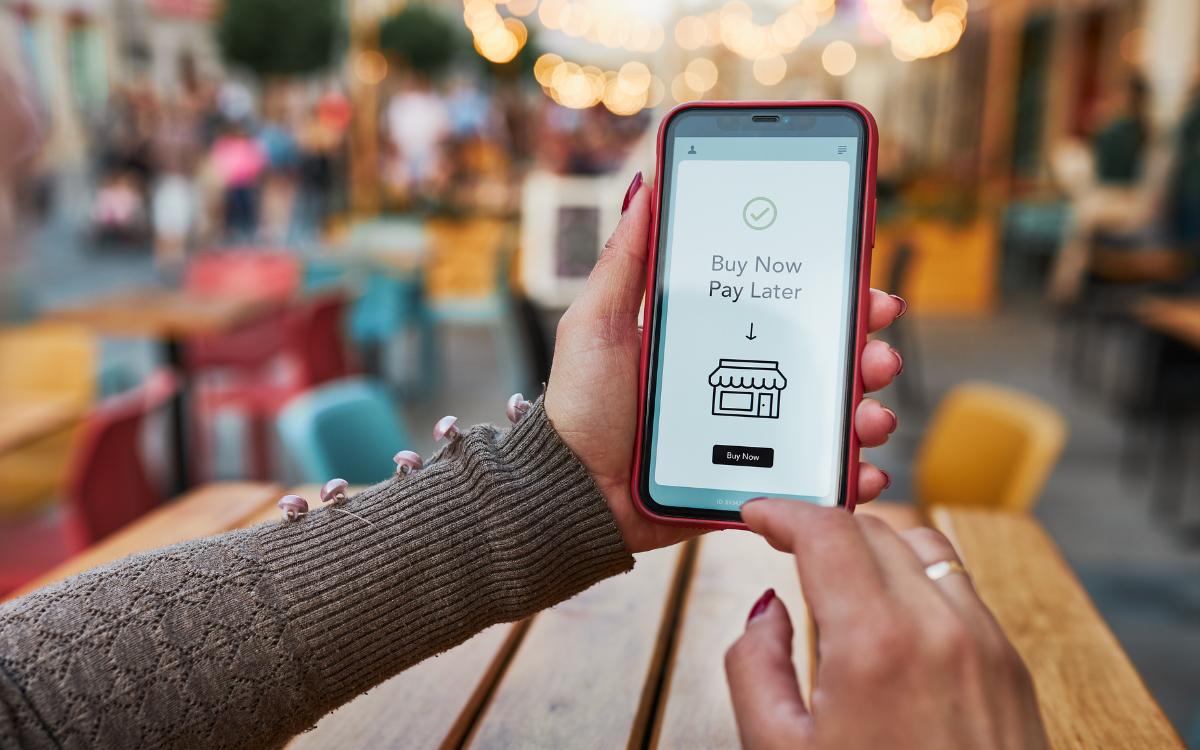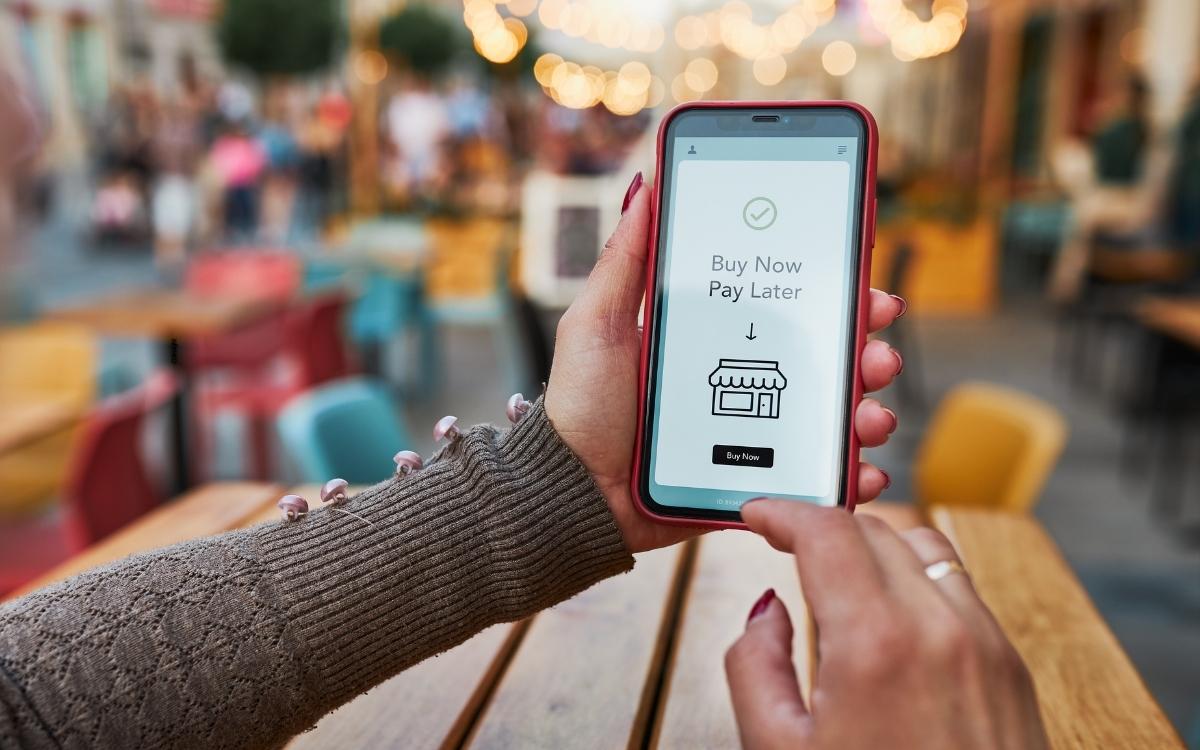
Buy Now, Pay Later (BNPL) has rapidly evolved into a mainstream financial tool, spanning both online and in-store purchases. As adoption rises and regulations mature, credit unions are uniquely positioned to offer BNPL in a way that aligns with their core values of trust, transparency and member-first service—while also leveling the playing field with fintechs and big banks.
Addressing consumer adoption and BNPL behaviors
The scale of BNPL adoption alone makes it hard to ignore. According to Datos Insights, 85% of U.S. consumers have tried BNPL, and one in four have an active account. In the past year alone, 23% of consumers have made a BNPL purchase. Younger members are leading the way, with 36% of Generation Z and Millennials using BNPL in the past 12 months compared to just 12% of Baby Boomers. Adoption is notably consistent across income levels, debunking the idea that BNPL is solely for lower income individuals.
Equally important is how—and how often—consumers are using BNPL. While it could be reasonably assumed BNPL is used primarily for large-ticket purchases, 57% of users spend less than $1,000 annually through BNPL—and more than a third spend under $500. The average consumer makes just over four BNPL purchases per year, showing it is typically used as an occasional tool rather than an everyday payment method.
Meeting member needs
For credit unions, offering a BNPL solution is about meeting members where they are today, while preparing for where they will be tomorrow. Research from Datos Insights shows 78% of consumers have complete trust in their primary financial institution and feel it offers products that meet their needs. Yet many members are not always aware of the tools their credit unions offer, or even that a product like BNPL could come from a financial institution rather than a fintech app like Klarna, Affirm or Afterpay. In fact, more than a third of credit card holders say they are unsure whether their issuer provides BNPL. For credit unions that do offer a BNPL solution (or are looking to in the near future), closing this awareness gap is and will continue to be critical.
The relationships credit unions have established put them in a role to offer educational resources to help their members understand and learn more about BNPL. With nearly half of consumers reporting less than $10,000 in savings and the majority living paycheck to paycheck, BNPL can be a timely, practical addition to a credit union’s offerings to help members with budgeting. When used correctly, it can strengthen financial wellness by helping members manage cash flow without resorting to high interest debt.
Navigating the regulatory landscape
When it comes to BNPL, the regulatory environment is shifting in credit unions’ favor. In May 2024, the Consumer Financial Protection Bureau (CFPB) issued an interpretive rule classifying BNPL lenders as credit card providers under Regulation Z. This means BNPL offerings must now include billing statements, dispute resolution and refunds for returns—processes credit unions already have in place for other lending products.
At the same time, credit bureaus like FICO and Experian are beginning to incorporate BNPL data into credit scoring models, creating both opportunities and risks for members. Responsible use could lead to a credit score boost, while missed payments could have negative consequences. Once again, credit unions are well positioned to guide members through these changes with education and financial counseling.
Implementing offerings
For credit unions that do not yet offer BNPL solutions, implementation might seem daunting—but it doesn’t have to be. Choose a partner that will allow credit unions to manage BNPL plans directly from their core or digital banking system, customize qualification criteria to align with risk and lending strategies, and offer members clear, enhanced statements alongside self-service tools for tracking and managing payments. This kind of seamless integration meets member expectations for convenience while preserving credit union oversight.
Buy Now, Pay Later is here to stay, and its role in consumers’ financial lives will continue to evolve. Credit unions have an opportunity to define how it evolves—ensuring members have access to a safe, transparent and well-managed tool that fits within a broader financial wellness strategy. By combining convenience with compliance, education, and a deep understanding of member needs, credit unions can compete effectively with fintechs and big banks while reinforcing their role as trusted financial partners.