Today’s consumers have more ways to pay than ever—and they’re using nearly all of them. From cards and cash to digital wallets, peer-to-peer (P2P) and Buy Now, Pay Later (BNPL) options, credit union members and bank customers are moving fluidly across the full payment spectrum in search of convenience and control. But which options are gaining the most traction, and how can credit unions keep pace with shifting expectations?
Data-driven insights
Velera’s 2025 Eye on Payments study, spanning a diverse sample of 1,750 credit union members and other financial institution (FI) customers (“non-members”) across the United States, explores how consumers’ payment preferences are evolving. Now in its eighth year, this research reveals how different generations, economic outlook, technology and other factors are shaping payments behaviors today.
Digital meets traditional
Results of the 2025 survey underscore how digital payments are increasingly part of everyday life. Seven in ten consumers (69%) use a mobile wallet at least a few times per year—up sharply from 44% in 2021—and nearly three in ten (28%) use it a few times per week. Younger generations lead the charge, but older consumers are catching up, with 39% of Boomers+ using mobile wallets periodically.
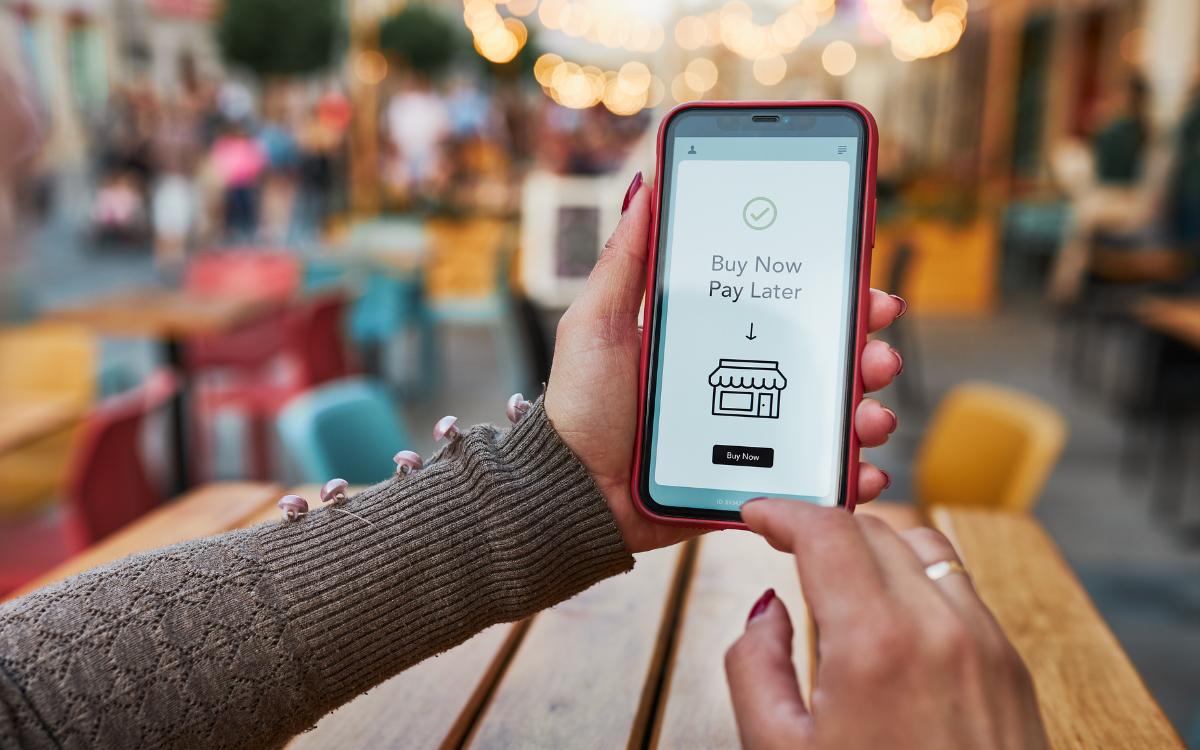
BNPL and P2P payments have also evolved from novelties to standard tools. Seventy percent (70%) of Gen Z and 71% of younger Millennials say they would likely use BNPL through their financial institution, while nearly three-quarters (74%) of all consumers use P2P at least occasionally.
Even with digital on the rise, physical payments remain firmly embedded in members’ wallets. Of the consumers who prefer to pay with debit or credit cards (76%), only 17% favor using them digitally through a mobile wallet. Contactless cards bridge the gap, with 80% of members holding a tap-to-pay card and nearly half (48%) using it weekly. Moreover, cash continues to hold steady as the third-most preferred payment method, with one in four members using ATMs weekly—proof that access to convenient cash is still essential. The result is a hybrid payments landscape that blends digital convenience with the familiarity of cards and cash.
Card-based payments lead
Card payments continue to anchor consumers’ financial habits, even as digital options expand. Debit and credit are evenly matched as top payment choices, each preferred by 38% of respondents. That balance reflects a “best of both worlds” mindset: debit for everyday purchases, and credit for larger transactions and online shopping. Credit cards are also leading the lending race, with nearly half of credit union members (45%) expressing interest in securing a credit card from their financial institution—almost double the interest shown for personal loans (26%) or auto loans (24%).
Card usage varies across generations. Gen X remains debit-first, with 45% using debit as their primary payment method. Younger Millennials lead in credit card adoption—56% applied for a new card in the past year—while Gen Z’s habits are more fluid, balancing cash and cards with a slight preference for using a credit card stored in a digital wallet (22%).
Safety and trust remain key
As digital adoption grows, concerns about safety and fraud remain front and center. One in ten consumers experienced card fraud in the past year—most often online (79%) and frequently tied to shared credentials (45%). Unsurprisingly, 82% of members say their choice of payment method depends on which feels most secure. Mobile alerts and card controls remain critical protection tools, with three-quarters of respondents (74%) saying mobile alerts help them better manage their cards.
Artificial intelligence (AI) is emerging as a new tool for payments, planning and security. One in three consumers (30%) now use AI weekly, and more than half (55%) rely on it for financial planning or budgeting, especially younger generations. At the same time, nearly two-thirds (63%) of members say they’d use financial education resources if offered—up from 51% in 2023—giving credit unions an opportunity to guide members on using new technologies safely and how to manage their money with confidence.
Top takeaways for future planning
With debit and credit now equally preferred, credit unions have a clear opportunity to strengthen their presence in both spaces. Expanding card portfolios—and positioning credit cards as both everyday payment tools and lending products—can help credit unions capture more transaction volume and deepen loyalty. Credit cards stand out as the most in-demand lending product, yet penetration among credit unions sits at just 16%, according to reporting via Callahan & Associates—underscoring the potential for well-designed, rewards-driven offerings that combine convenience and value.
Digital readiness is equally essential. Members increasingly expect their cards to work seamlessly across mobile wallets, P2P platforms, and BNPL services. Ensuring credit and debit products are fully integrated into digital channels, from instant issuance to card controls and real-time alerts, will be key to staying relevant, especially among younger generations.
Finally, credit unions must continue investing in security and education. Members prioritize safety above all else, and proactive fraud prevention remains a cornerstone of trust. By pairing real-time monitoring with clear, accessible guidance on emerging technologies like AI, credit unions can reinforce their reputation as secure, member-first partners in the evolving payments landscape.