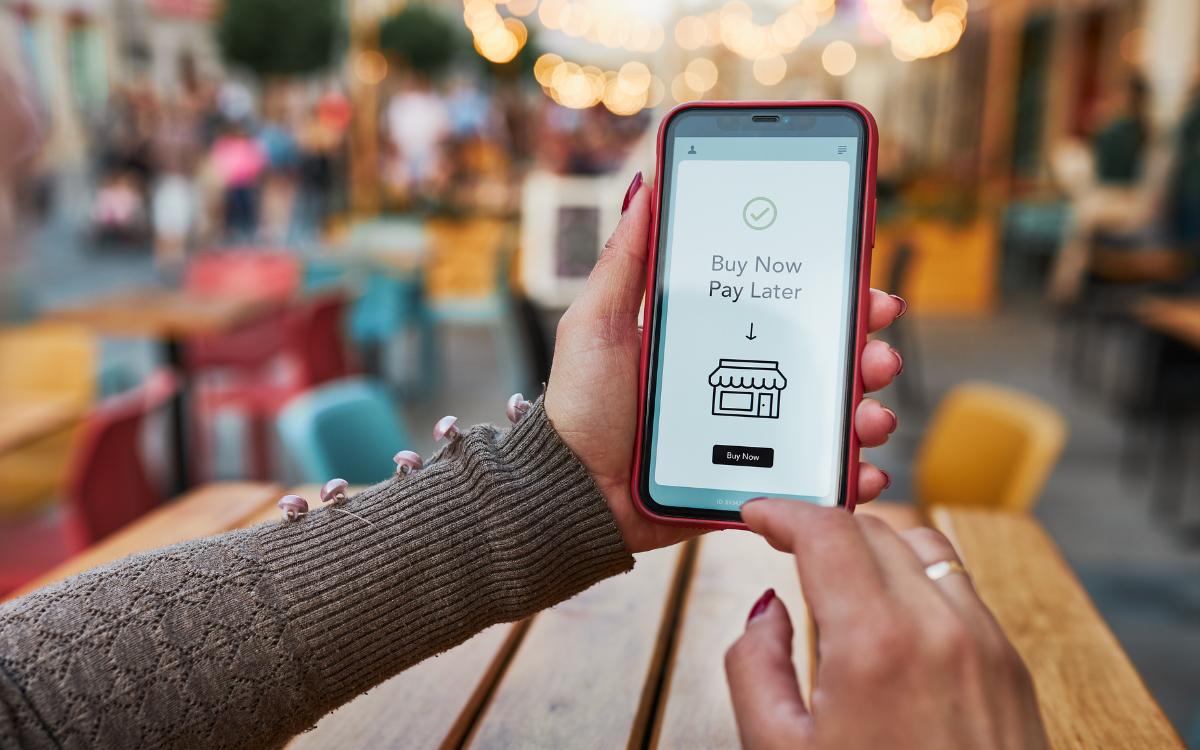
As 2026 unfolds, Buy Now, Pay Later (BNPL) is no longer an emerging payments trend—it’s a way consumers choose to spend money and manage cash flow. For credit unions, this shift—including the rise of debit-based BNPL—presents both a challenge and an opportunity: to meet members where they are, embed BNPL in the member experience and strengthen the trusted financial relationship credit unions are uniquely positioned to provide.
Debit-based BNPL is gaining traction
According to Velera’s February Payments Index, the largest BNPL providers saw total debit-based payments increase by 22% in 2025, demonstrating growing interest in BNPL options that leverage consumers’ existing funds. This was coupled with a 12% increase in transactions, as well as the average BNPL debit payment rising from $39.04 in 2024 to $42.45 in 2025—underscoring that installment usage is becoming embedded in everyday spending, not just large-ticket purchases. And while year-over-year growth moderated throughout 2025, overall debit-based BNPL activity remained strong, signaling normalization rather than a short-term spike.
These numbers reflect a broader reality credit unions understand well: a high percentage of members are actively seeking payment solutions that provide flexibility without pushing them deeper into revolving debt. Debit-based BNPL meets members where they are—offering control, transparency and predictability at a time when many households remain cautious about credit.
The risk of third-party disruption
There is growing tension beneath this momentum. Every time a member uses BNPL through third-party providers like Affirm, Afterpay or Klarna, the primary financial institution relationship is disrupted. In fact, those three providers represented approximately three-quarters of BNPL payments in 2025, with Affirm alone accounting for 32% of debit-based BNPL volume, per Velera’s February Payments Index. These fintechs deliver convenience, but they do so by inserting themselves firmly between the member and the trusted financial institution that already knows their full financial picture. Over time, that erosion of engagement can weaken the credit union’s role as the member’s financial hub.
The opportunity for credit unions
Critically, credit unions bring something fintechs and merchants do not: the ability to govern BNPL using a full, relationship-based view of the member’s financial life. While many third-party BNPL programs are designed to maximize merchant conversion rates and transaction volume, a credit union can structure installment offers based on real account balances, cash-flow patterns and long-term financial goals. In other words, BNPL can be deployed as a tool for financial wellness—not just a checkout accelerator. That’s a fundamental differentiator.
Use cases are also expanding rapidly. BNPL is no longer limited to large discretionary purchases like electronics or furniture. Industry data shows BNPL and card installment plans have moved beyond seasonal usage and point-of-sale convenience into everyday money management, including groceries and utilities.
When paired with debit, members are increasingly using BNPL for daily spending and even short-term emergencies—situations where flexibility matters. This evolution underscores why credit unions are uniquely suited to lead. They already understand the difference between a temporary cash-flow gap and a structural affordability issue.
In addition, the largest year-over-year growth in BNPL debit payments, according to the same Velera report, came from Gen Zers, up 80% compared to 2024. This signals that installment-based debit behavior is rapidly normalizing among the next generation of primary financial decision-makers.
The opportunity for credit unions isn’t simply to “offer BNPL,” but to do so in a way that reflects what members actually want. That means embedding flexible payment options directly into the mobile banking experience, from pre-purchase planning to post-purchase installments and real-time, point-of-sale access. Look for a solution that provides this functionality, giving members control over how they pay while keeping the experience seamless within the credit union’s app. For credit unions, that means stronger engagement, deeper member insights and the ability to build loyalty without relying on third-party platforms.
The path forward
The path forward for credit unions is clear. Members are already using BNPL, and usage continues to grow. The question is not whether BNPL belongs in the credit union ecosystem, because it’s already there. Instead, credit unions should address who controls the experience and the criteria behind it. When BNPL lives outside the financial institution, member engagement and data move with it.
Credit unions can win BNPL volume by offering solutions that are convenient, flexible, and grounded in member-first data. By embedding BNPL into the digital experience and leveraging what they already know about their members, credit unions can keep payments in-house and use BNPL as a tool to support—not undermine—members’ long-term financial wellness.