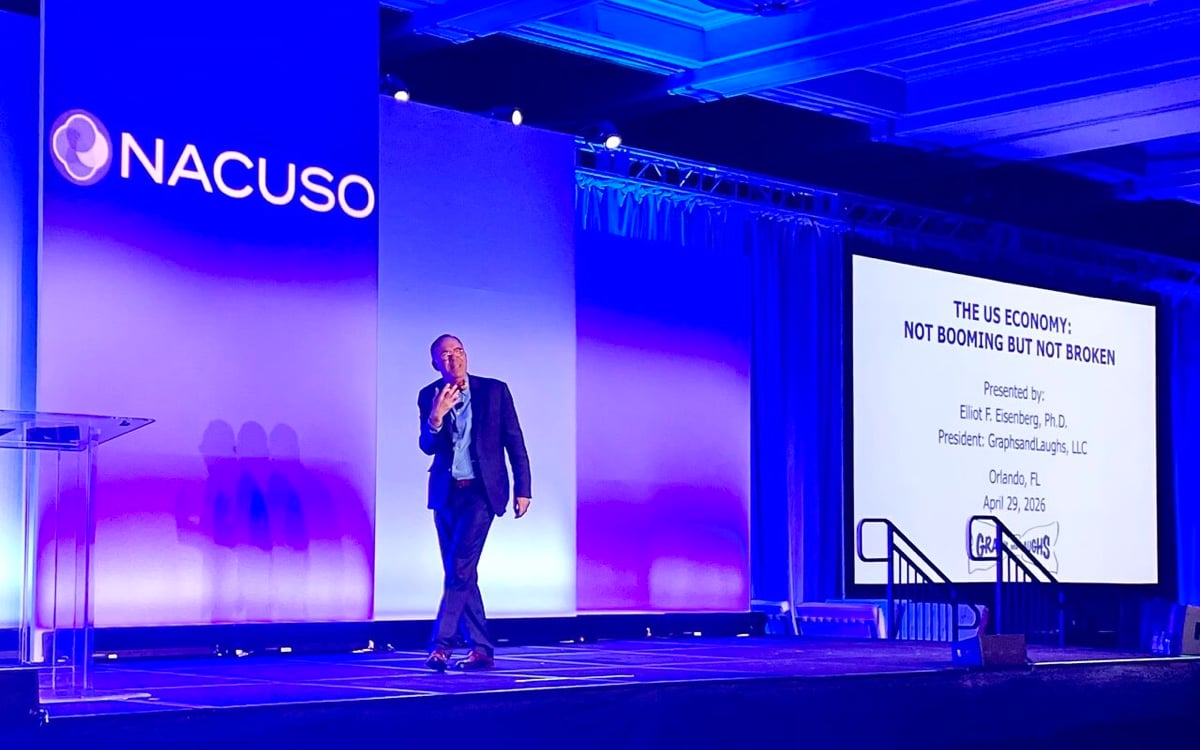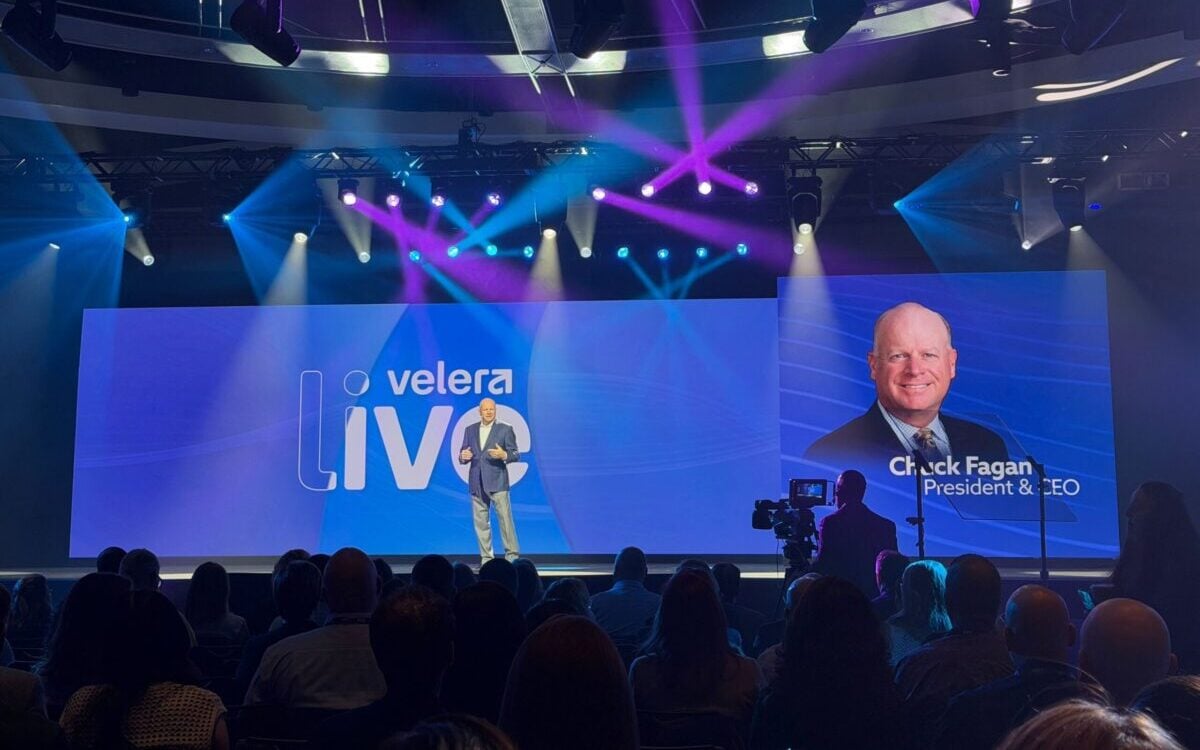
There is a growing drumbeat across the credit union industry: we need to tell our story. From advocacy efforts in Washington to marketing campaigns designed to connect on a human level, the message is clear. Credit unions are different, and it is time the world understands why.
And that message is right.
But telling the story is only part of the equation. Living it consistently and intentionally is what gives that story credibility and staying power.
Stories of helping members through fraud, supporting small businesses, or showing up in life’s hardest moments are powerful and deeply human. They are not side stories to the work. They are the work.
Storytelling brings visibility. Story living builds credibility. The strength of the credit union movement depends on both working in alignment.
There is an important truth beneath the surface. If the story is not consistently experienced, it begins to lose credibility regardless of how well it is told. In today’s environment, experience defines truth.
The three versions of the credit union story
To understand where opportunity and risk exist, it helps to view storytelling through three lenses.
The industry story (aspirational)
This is the narrative shared broadly: people helping people, member-first service, institutions built differently. It is compelling and grounded in real impact across communities.
The organizational story (stated)
This is how individual credit unions express that narrative through mission, values, and brand.
The lived story (experienced)
This is what happens in real moments. When a member calls with fraud. When a grieving family needs guidance. When an employee faces a difficult situation.
This is the story people remember and repeat.
When these versions are not aligned, lived experience will always outweigh stated intention.
When the story doesn’t match the experience
Consider a familiar example. A credit union states that employees are its most important asset. It reflects the cooperative spirit and resonates broadly.
But when employees feel unsupported, when engagement data tells a different story, or when leaders are unprepared to coach and connect, the internal story shifts from inspiration to inconsistency.
The same is true for members. A credit union may share powerful stories of care and connection, but if a member experiences indifference or unnecessary friction, the story changes.
Not because the mission is flawed, but because the experience did not match it.
In one recent example, a long-time credit union advocate experienced fraud and expected immediate, empathetic support. Instead, she was told to visit a branch the next day and received minimal engagement once there. She left feeling like a transaction rather than a person, questioning the very story she believed in.
In another situation, a family navigating the loss of a loved one encountered repeated handoffs and unnecessary complexity. What should have been a moment of care became one of added stress.
These moments do not define the industry, but they highlight where consistency matters most.
Storytelling is more than a marketing strategy
One of the greatest opportunities for credit union leaders is to expand how storytelling is viewed within their organizations.
Not just as something to amplify externally, but as something that is shaped internally through the experiences employees and members have every day.
The industry has already done important work to elevate a powerful, values-driven narrative. The opportunity now is to ensure that narrative is consistently experienced at the organizational level.
This shifts the focus in a meaningful way. Instead of asking only how to tell better stories or amplify what makes credit unions different, leaders can also ask:
Are we creating the conditions where those stories naturally happen?
Because the most powerful stories are not created for the purpose of being told. They are the result of environments where employees feel supported, prepared, and empowered, and where members experience genuine care and connection.
That means focusing on the systems behind the story. The training, the leadership, the processes, and the clarity that shape everyday interactions.
When those elements are in place, storytelling becomes a natural extension of the experience, not a separate effort.
The employee experience drives the member experience
You cannot deliver a consistent member experience without first creating a consistent employee experience.
Frontline and support teams are where the credit union story comes to life. They navigate complex needs, manage emotional situations, and represent the organization in real time.
And yet, many teams still face challenges such as:
- Limited training in critical human and operational skills
- Lack of support in high-pressure moments
- Processes that create friction instead of ease
- Unclear empowerment to act in the member’s best interest
When this happens, even well-intentioned employees default to process over presence and policy over problem-solving. Not because they do not care, but because they lack the tools and support to do otherwise.
Story living happens in thousands of small moments each day. Those moments determine whether the story holds true.
From values to behaviors
Most credit unions have strong values. The opportunity is translating those values into clear, observable behaviors.
What does people helping people look like on a stressful day?
What does member-first mean when policies create friction?
What does care sound like in a conversation?
What behaviors are non-negotiable?
If these are not clearly defined, taught, and reinforced, values remain aspirational instead of operational.
Development and empowerment as a strategic priority
If experiences and stories are to align, development must be ongoing and intentional.
This includes:
- Functional and operational training for real scenarios
- Human skill development such as communication and emotional intelligence
- Leadership development that prepares leaders to coach, guide, and support
Leadership should not be a reward for performance. It should be a prepared capability.
Empowerment also requires clarity. Without clear expectations and proper support, employees hesitate. They defer or escalate, not out of unwillingness, but uncertainty.
True empowerment happens when employees know what good looks like, have practiced it, and trust they will be supported when they act.
Closing the gap
If the industry elevates its story externally without equal focus internally, a gap forms between promise and delivery. Over time, that gap can lead to disengaged employees, frustrated members, and weakened trust.
But when storytelling and experience align, something powerful happens.
Employees become advocates.
Members become champions.
Stories become authentic and self-sustaining.
The path forward
The goal is not to choose between telling the story and living it. It is to invest in both with equal intention.
Storytelling brings the credit union difference to life for the world to see.
Story living ensures that difference is real for the people who experience it every day.
The credit union movement already has a powerful story built on real impact and real care. The opportunity now is to strengthen the consistency of how that story is experienced.
When those two are aligned, they have the power to move the industry forward.
Gauging alignment: From storytelling to story living
For credit union leaders, the opportunity is not just to reflect on the story being told, but to evaluate how consistently it is being experienced.
- Do our internal and external messages align with the actual experiences of our employees and members? Where are they consistent, and where might there be gaps?
- What is our employee feedback really telling us? Do employees feel trained, supported, empowered, and prepared to deliver on our promise?
- Are our leaders equipped to bring the story to life? Do they have the skills, resources, and ongoing development in emotional intelligence, communication, coaching, and team support?
- Are we consistently creating experiences worth telling across teams, roles, and member interactions?