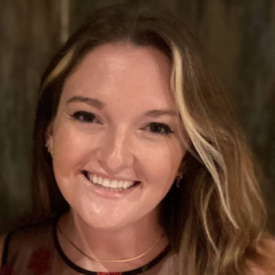
When I offered to write about my experience becoming a CUDE (Credit Union Development Educator), I was volunteering before ever attending the program. I liked the idea of writing about my experience as an attendee, as well as an employee of the National Credit Union Foundation, the organization that offers DE every year. But even with this connection, rather feeling like I had insider knowledge, DE was still very much a mystery to me. Coworkers and credit union colleagues talked about it fondly, with stories of late nights and team bonding, but what happened during the week was kept vague.
Exiting the elevator on the first morning in Madison, I was enthusiastically greeted and ushered into the check-in line. The mentors were in full extrovert mode and people were chatting, making introductions, and realizing how difficult it is to talk about yourself with no mention of your job title or role. Titles are not allowed the entire week. The first day is full of pauses when you realize you aren’t sure how to talk about yourself or your work without your headline or elevator pitch. That skill, of reframing something on the fly, is then exercised all week as you participate in discussions, scenarios, skits, and honest conversations.
I was nervous about my ability to contribute to the class and discussions since I have never worked in a credit union. I came to work for the National Credit Union Foundation for my experience in nonprofit organizations and fundraising and by now I have picked up an understanding of the credit union mindset. Yet, I did wonder at being immediately picked out for my lack of being a “credit union person.” In hindsight, this was a silly thing to worry about in a class designed around everyone being able to participate unlabeled.
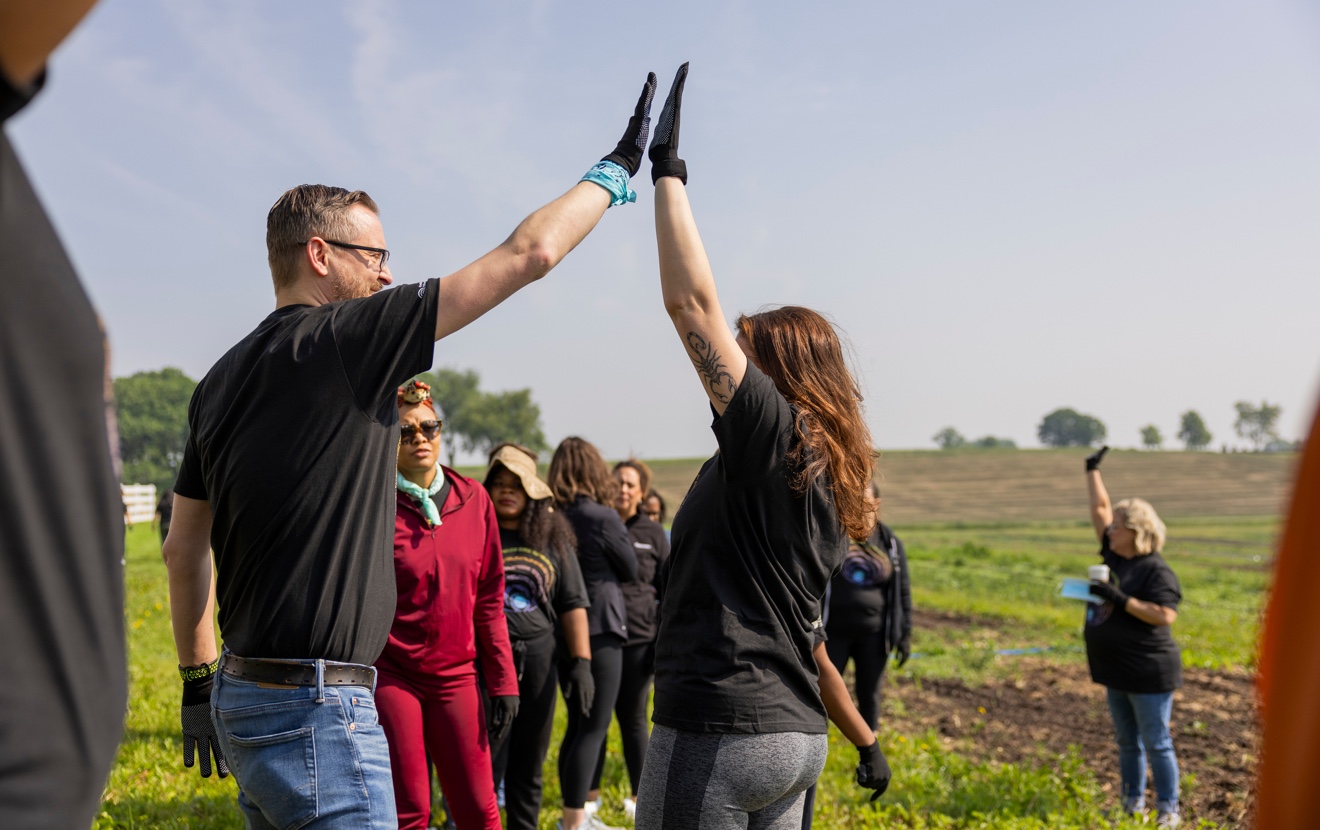
Now what did the week actually consist of? A lot of discussions, microphones being passed around to share viewpoints and ideas, and many moments of clarity hearing about credit unions of all shapes and sizes and the challenges they face. So many comments and anecdotes ended with an offer to share knowledge, update on progress, and to reach out if anyone wanted to talk more. Then I saw those conversations continue. On the bus ride back to our hotel, on a walk outside, all throughout the week.
I learned a lot from the DE program and my classmates. More about the day-to-day functions of a credit union, about the challenges a small community with limited branches can have, or the difficulties big credit unions have that even larger budgets cannot solve. We found common ground in our struggles to balance profit vs. people, frustration over unmet goals, and perfect plans now gathering dust after being reprioritized.
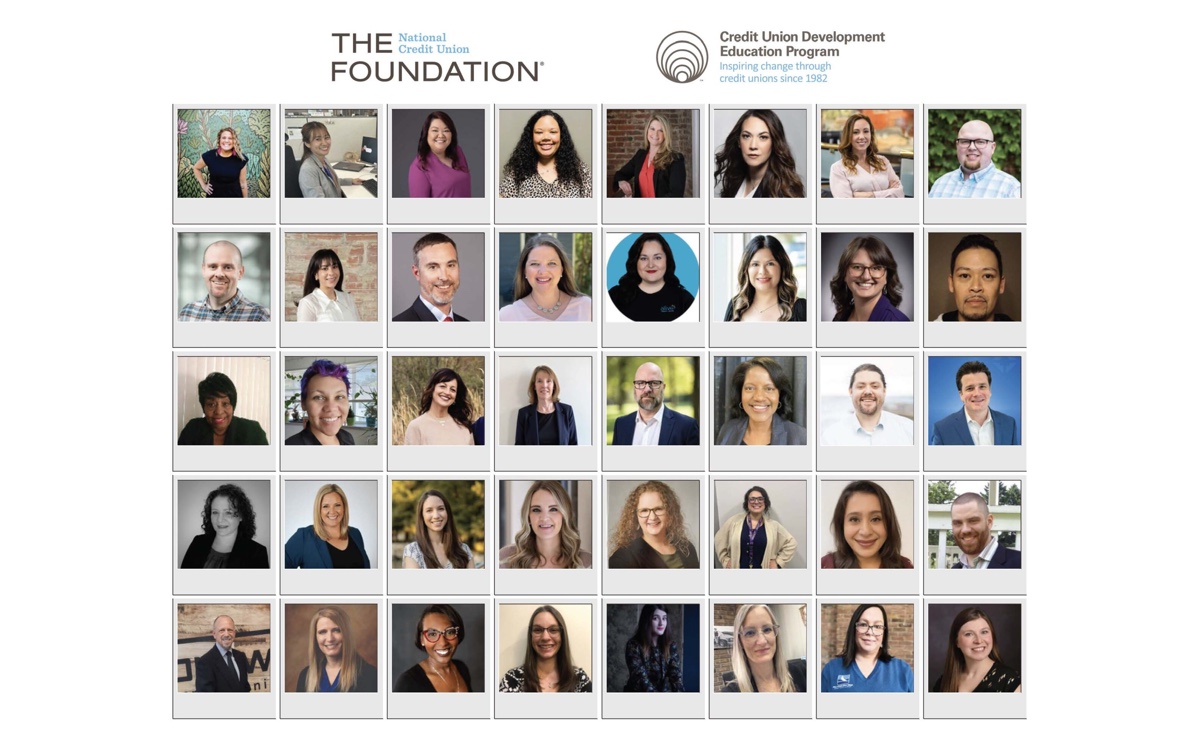
The week was invigorating and exhausting. Exciting and anxiety inducing. I felt like I found a sense of community from admitting I wasn’t sure how I belonged. I was shocked to hear that message echoed from compassionate, motivated people that have years more experience. I left feeling inspired, but also more grounded, with a better sense of the realities communities face and how there may not be a perfect plan out there to solve them. And that there are others out there thinking like me—I met 40 of them.
Would I recommend DE to you? Yes—if you can approach it with an open and humble mind. I think the program is unique in the paradox it rests in between. This is a program designed to help create education and empathy in all levels of a credit union organization, without knowing what level you reside. People reveal their knowledge, skills, and expertise all while you have no idea what they do in their day to day. Strengths are immediately evident in some. In my class one participant’s complicated explanation of a funding effort showed us all his hand—definitely a title including Finance. And upon graduation day, we cheered as he announced he was exactly that, a CFO.
Throughout my career, fundraising for different types of organizations, I’ve consistently walked the balance beam of people vs. profit, teetering this way and that. DE felt like an opportunity to dismount, share in the frustration of so many others similarly walking their tightropes, and start to use those solo beams to build a bridge—something accessible and sustainable, open to those that choose to follow.